
Beef Barley Soup
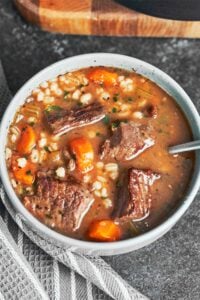
This beef barley soup is everything I want in a cold-weather dinner: deeply browned, tender beef, pleasantly chewy barley, and a rich, savory broth that feels like a full meal in one bowl.
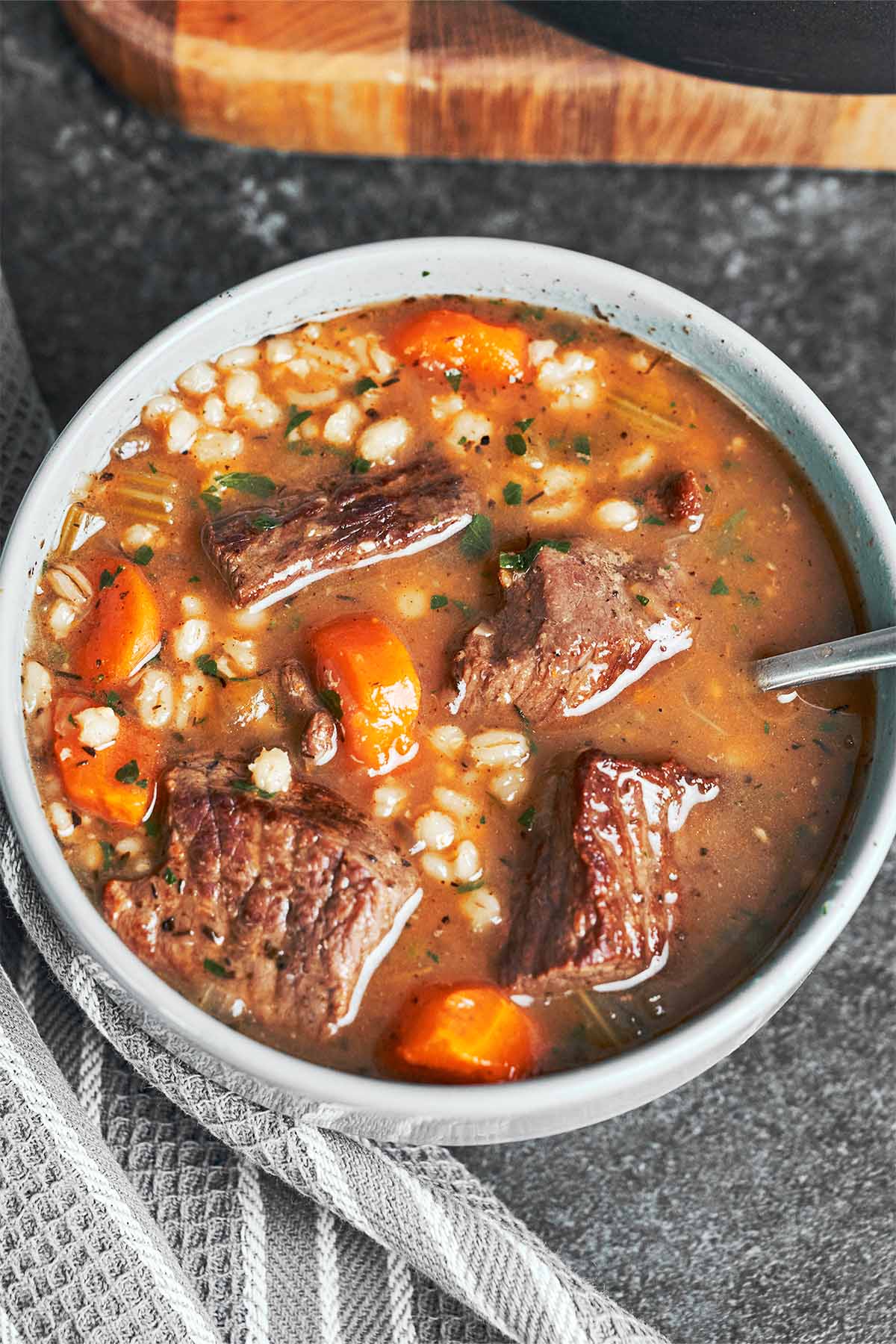
It has that cozy, slow-simmered flavor, but the hands-on work is simple. The beef is seared first for extra depth, then the barley goes in later so it stays tender and pleasantly chewy while the broth remains rich and spoonable.
If you’re in the mood for more cozy, hearty soups, try my Hamburger Soup, Cabbage Roll Soup, or Hearty Beef Soup with Walnuts. They’re all comforting, filling options that work especially well for cooler days and easy family dinners.
Why You’ll Love This Beef Barley Soup
This beef barley soup has the kind of deep, comforting flavor that makes a simple dinner feel a little more special. The broth is rich and savory, the beef is tender, and the barley gives every spoonful a hearty, satisfying bite without making the soup feel too heavy.
It is also the kind of recipe that feels comforting without being fussy. A warm bowl with some crusty bread is enough for a complete dinner, and the whole soup has that classic, homemade character that works just as well for a quiet weeknight as it does for a relaxed Sunday meal.
If you love cozy, slow-simmered dinners like this one, take a look through my Beef Recipes for more hearty ways to turn beef into a comforting homemade meal.
Quick Look at the Ingredients
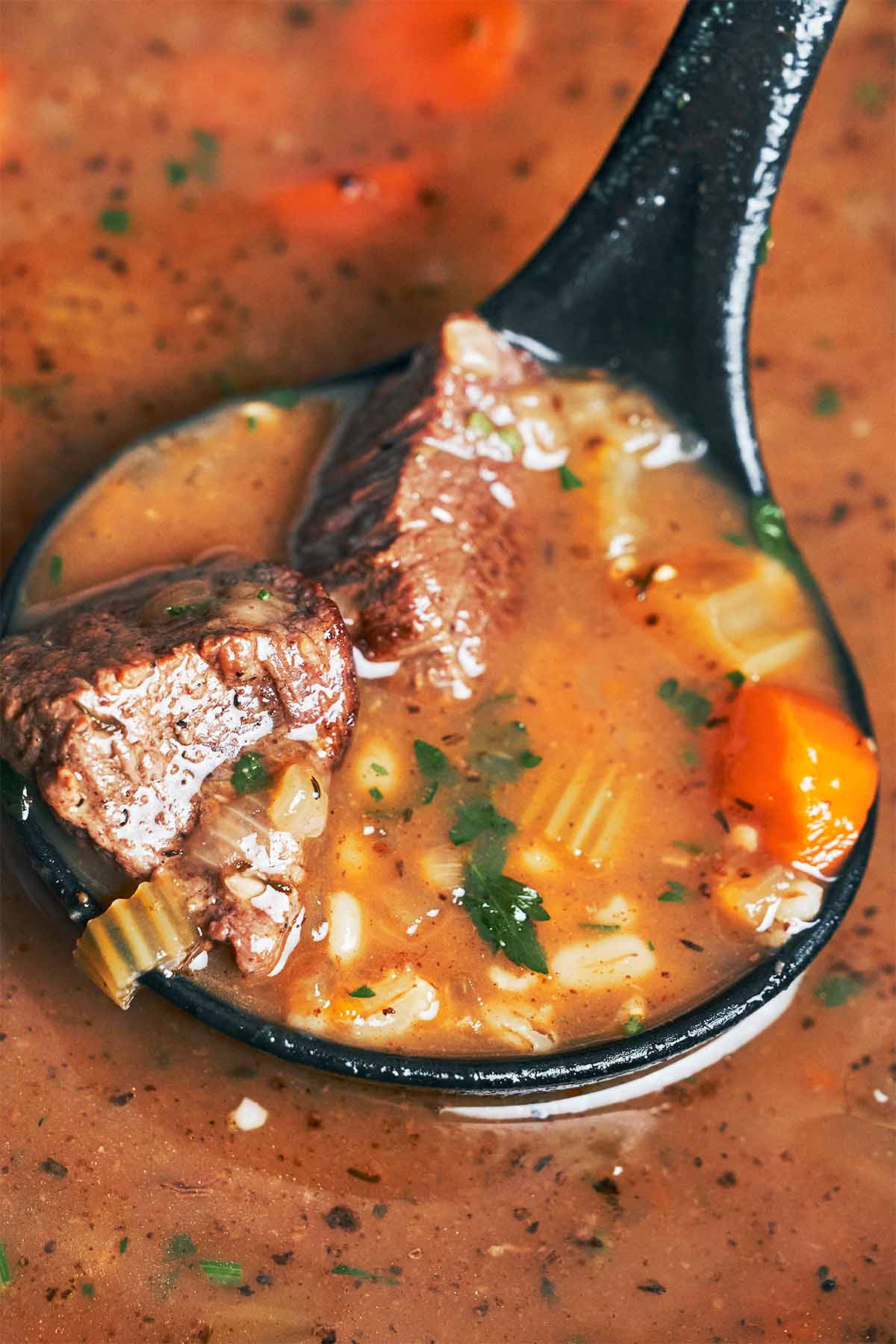
The ingredient list is simple, but each part brings something important to the soup, from the deeply savory beef to the chewy barley and aromatic vegetables.
- Beef chuck roast: My favorite cut for this soup because the marbling gives the broth more flavor and the beef becomes beautifully tender during the slow simmer.
- Regular pearl barley: Gives the soup its hearty, pleasantly chewy texture. As it cooks, the barley releases a little starch and naturally gives the broth more body without flour or another thickener.
- Onion, carrots, and celery: The classic vegetable base that gives the broth sweetness, freshness, and depth.
- Tomato paste: Adds richness, color, and a subtle savory sweetness without making the soup taste tomato-heavy.
- Beef broth: Use a good-quality low-sodium or unsalted broth so you can control the seasoning as the soup cooks.
- Worcestershire sauce: A small amount gives the broth a deeper, more savory beef flavor.
- Thyme and bay leaves: Keep the soup aromatic and classic without overpowering the beef.
- Fresh parsley: Added at the end for a fresh finish and a little contrast to the rich broth.
How to Make Beef Barley Soup
This stovetop beef barley soup takes a little time to simmer, but the actual cooking is simple. Most of the flavor comes from building a good base at the beginning, then letting the beef and barley finish gently in the broth.
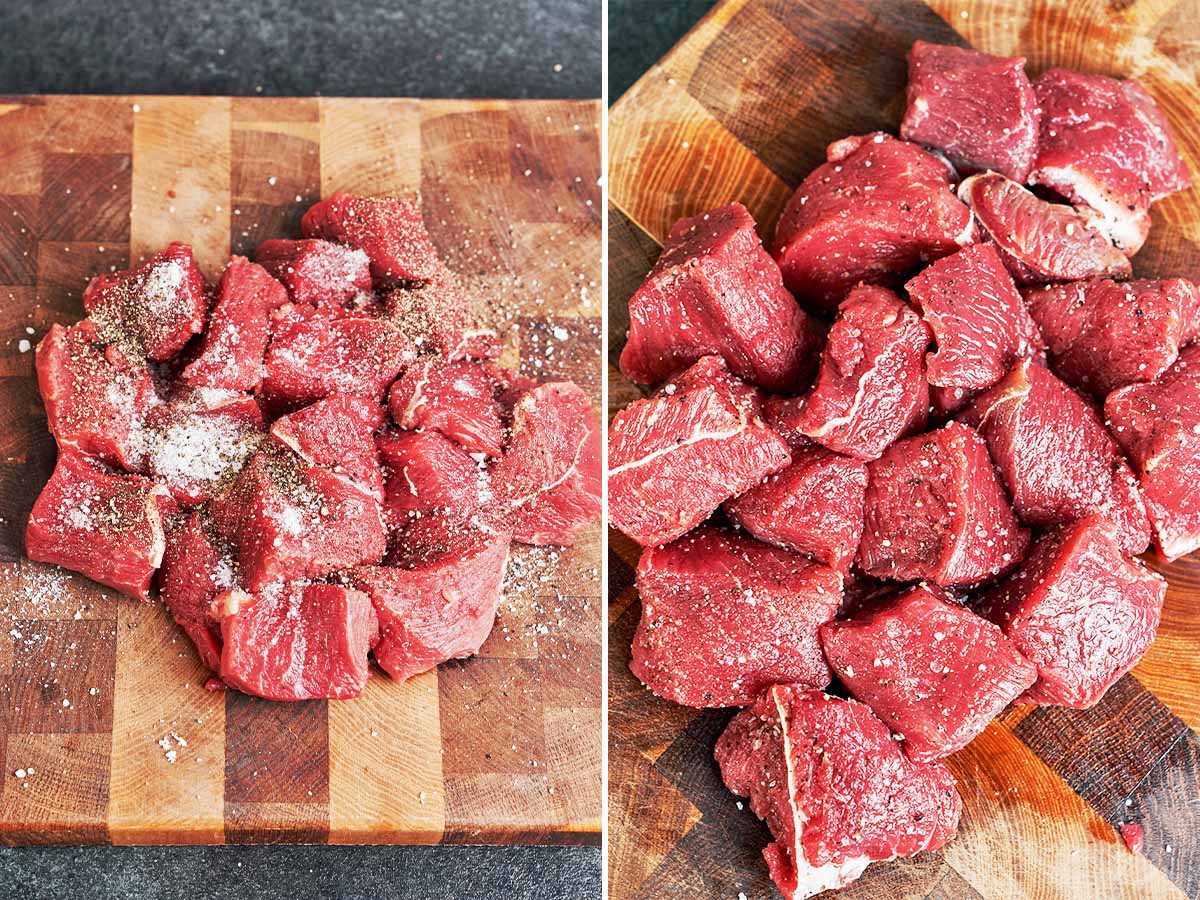
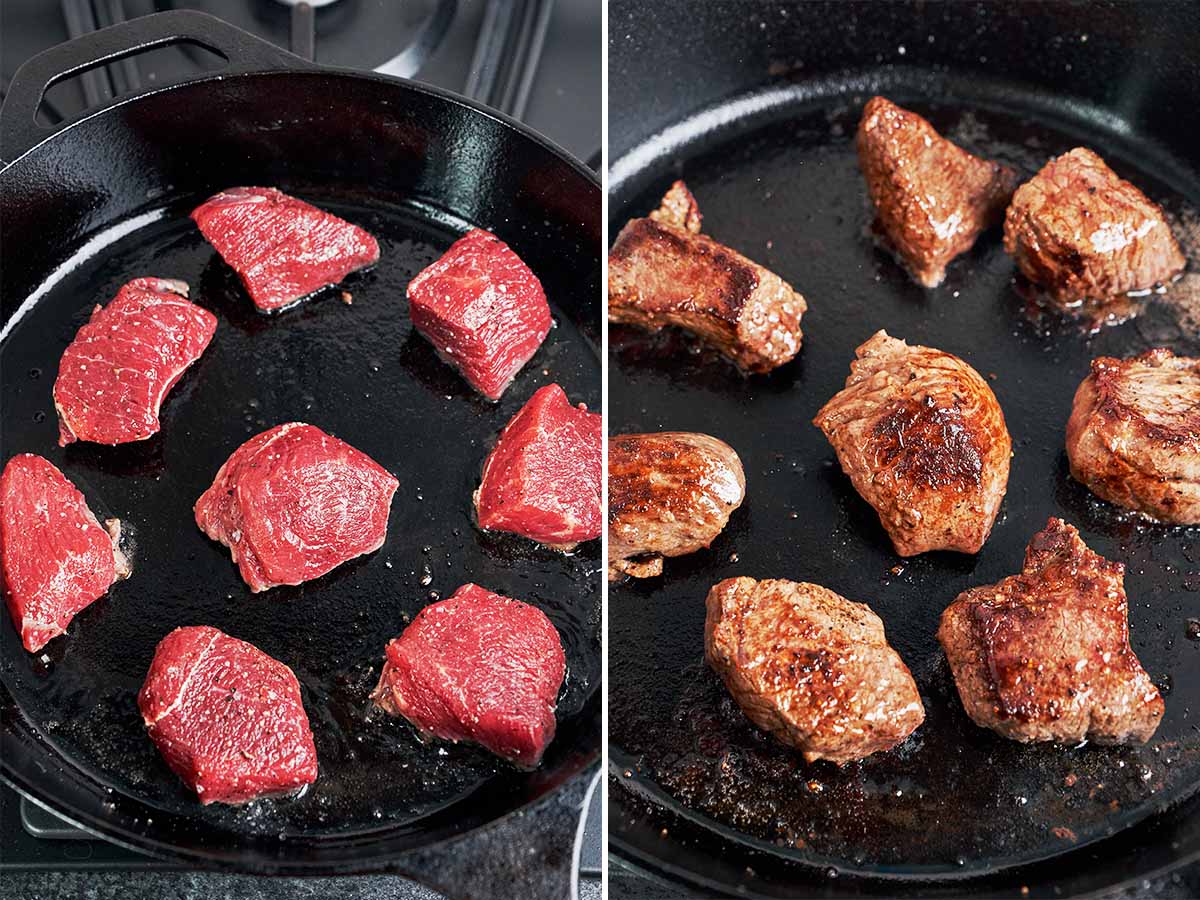
Season and sear the beef. Pat the beef dry and season it with salt and black pepper. Heat the oil in a cast-iron skillet over medium-high heat and sear the beef in batches until deeply browned on several sides. Transfer the browned beef to a large soup pot.
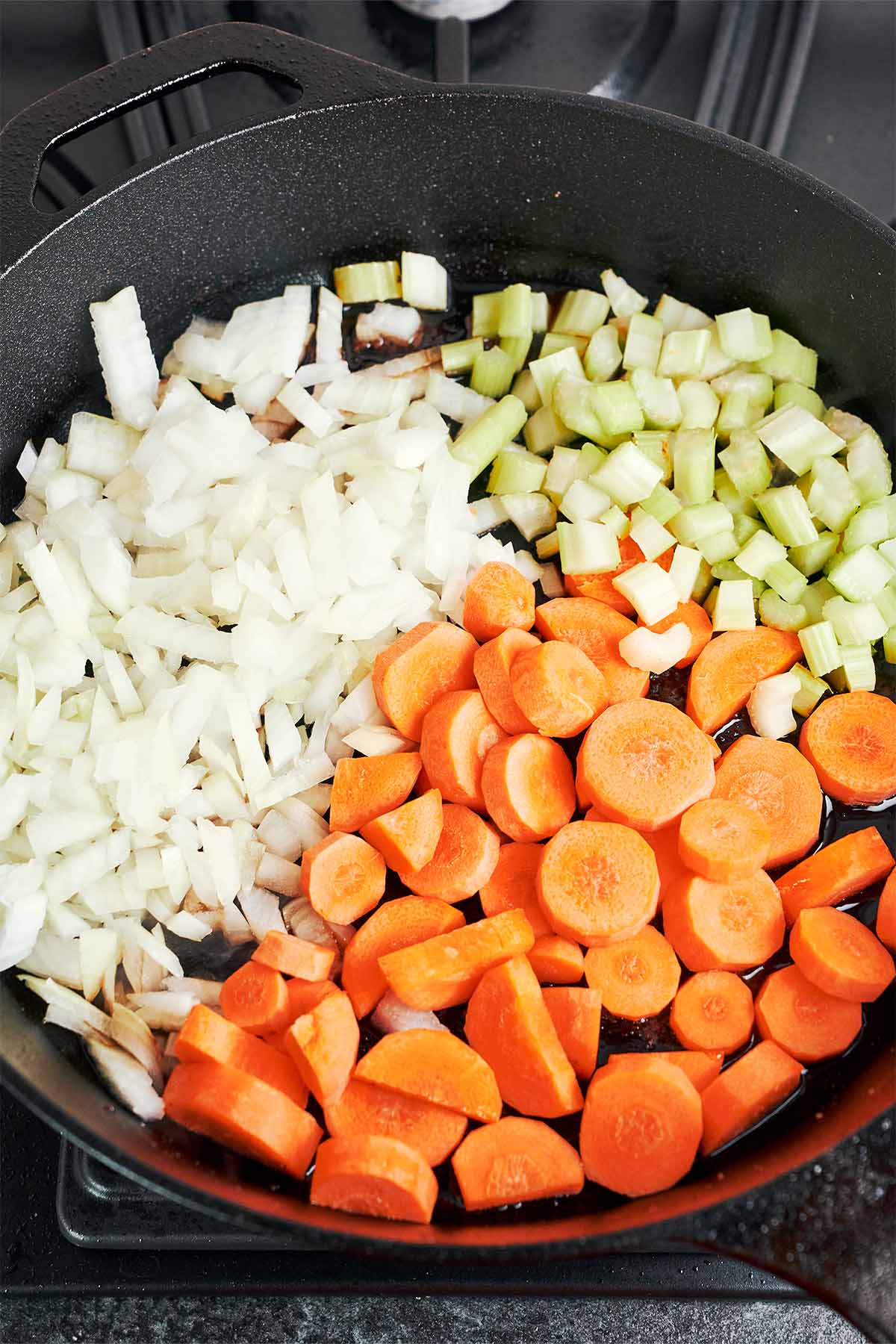
Cook the vegetables. Add the onion, carrots, and celery to the same skillet. Cook over medium heat for about 5–6 minutes, stirring occasionally, until the vegetables begin to soften and pick up some of the browned flavor left behind by the beef.
Add the garlic and tomato paste. Add the garlic and tomato paste to the vegetables at the same time. Cook for about 1 minute, stirring constantly, until the garlic is fragrant and the tomato paste darkens slightly and coats the vegetables.
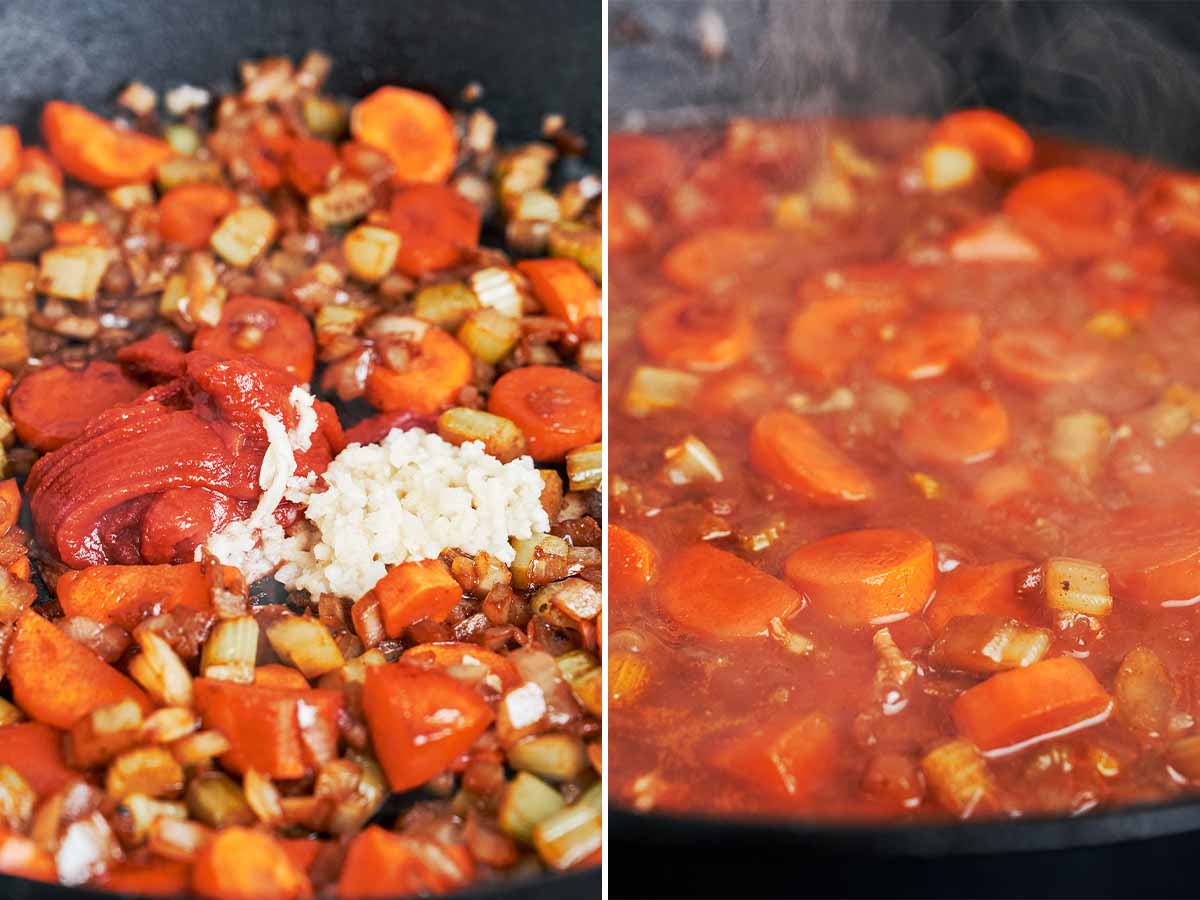
Deglaze the skillet. Pour in about 1 cup of the beef broth and scrape up all the browned bits from the bottom of the skillet. Pour everything into the soup pot with the beef, then add the remaining broth, Worcestershire sauce, thyme, and bay leaves.
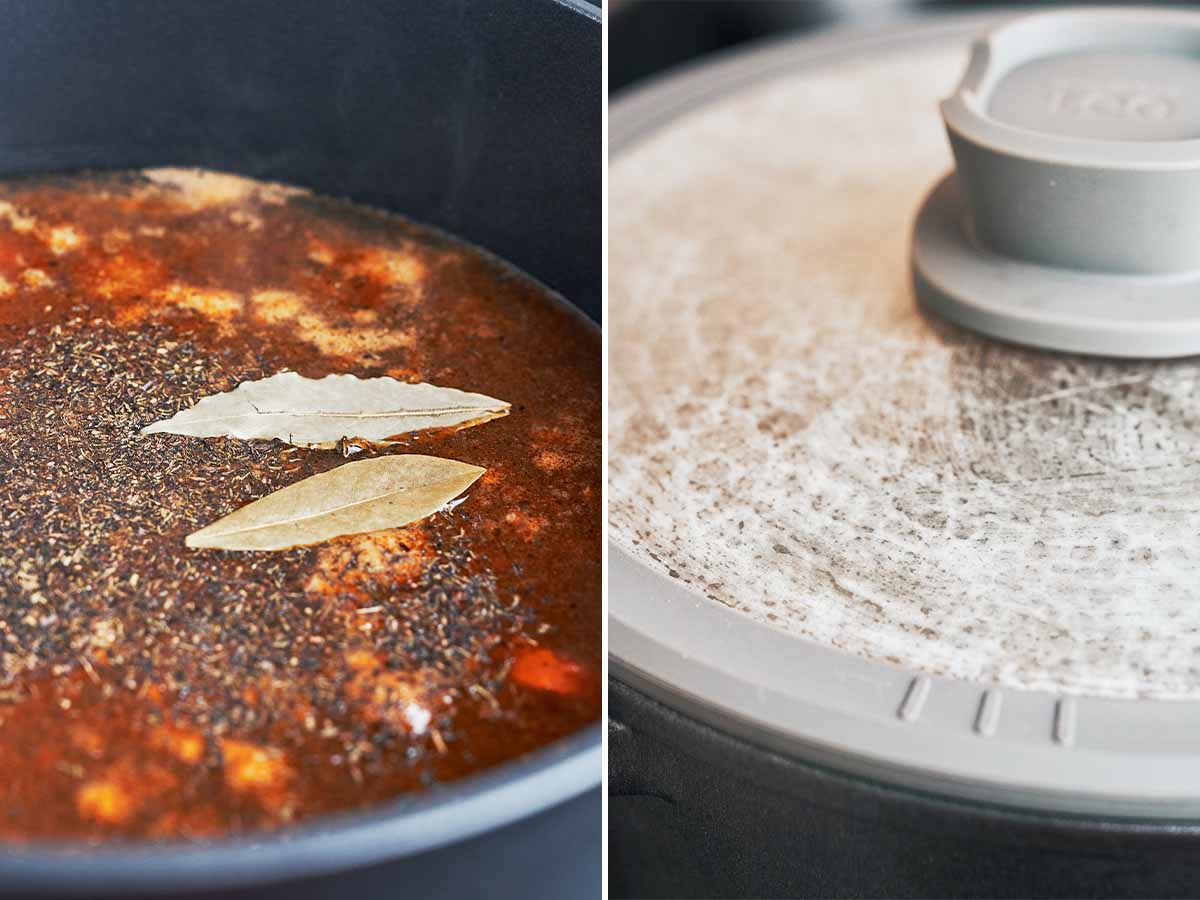
Simmer the beef. Bring the soup to a gentle simmer, cover, and cook over low heat for about 45–50 minutes, or until the beef is beginning to turn tender.
Add the barley and finish the soup. Stir in the rinsed pearl barley and season with salt and black pepper. Simmer partially covered for another 30–40 minutes, until the barley is tender and pleasantly chewy and the beef is fork-tender. Remove the bay leaves, stir in fresh parsley, and adjust the seasoning before serving.
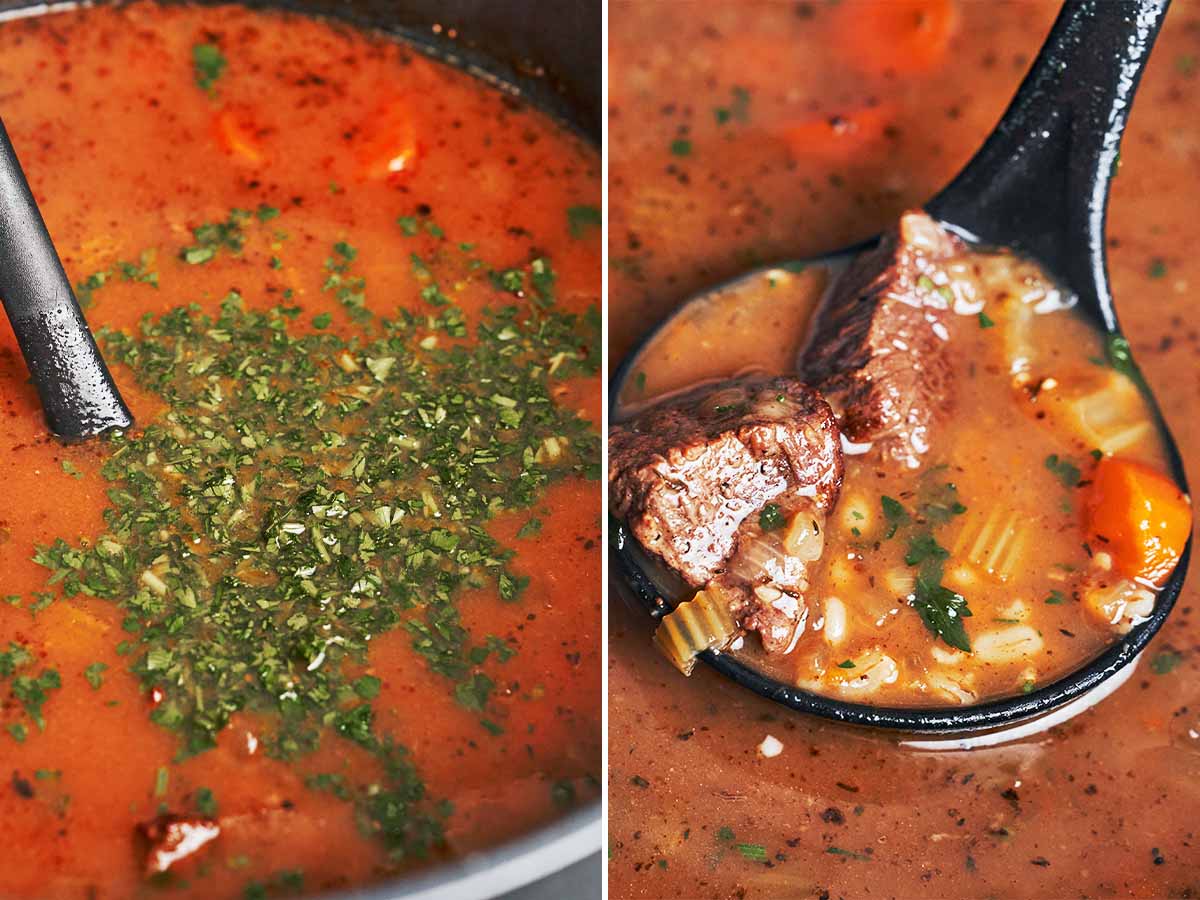
Serve and enjoy. Ladle the beef barley soup into warm bowls and finish with a little extra parsley and black pepper. Serve it hot with plenty of tender beef and barley in every spoonful, plus some crusty bread on the side for soaking up the rich, savory broth.

The soup should still look brothy when the barley is tender. Pearl barley keeps absorbing liquid as it sits, so avoid cooking the soup down too far. If it thickens more than you like, just stir in a splash of beef broth before serving or reheating.
Pro Tips for the Best Beef Barley Soup
- Brown the beef in batches. Crowding the skillet makes the beef steam instead of sear, so give the pieces enough room to develop a deep brown crust.
- Do not rush the simmer. Beef chuck needs time to become tender. Keep the soup at a gentle simmer rather than a hard boil so the meat stays juicy and the broth stays rich.
- Add the barley later. Let the beef cook first, then stir in the pearl barley. This helps the barley stay pleasantly chewy and keeps the soup from getting too thick.
- Use pearl barley, not quick-cooking barley. Regular pearl barley gives the soup the best texture and holds up better during the longer simmer.
- Season at the end. The broth reduces slightly as the soup cooks, so taste before serving and add more salt and black pepper only if needed.
Variations and Substitutions
- Add mushrooms. Sliced cremini or button mushrooms work well if you want an earthier, more savory version of the soup.
- Use stew meat. Pre-cut beef stew meat can replace chuck, although chuck usually gives you more consistent tenderness and flavor.
- Swap the herbs. A little dried rosemary can be added with the thyme for a more aromatic broth, but use it lightly so it does not overpower the beef.
- Make it extra vegetable-heavy. You can add peas or green beans near the end of cooking if you want more vegetables without changing the soup too much.
- Use quick-cooking barley only if needed. Add it much later and follow the package timing, since it cooks faster and can become soft if added too early.
What to Serve with Beef Barley Soup
This beef barley soup is hearty enough to be a full meal on its own, but I especially like serving it with something simple on the side. A slice of homemade bread is perfect for soaking up the rich broth, while a fresh green salad adds a lighter contrast to the tender beef and chewy barley.
- Homemade bread: My favorite choice for dipping into the savory broth.
- Garlic bread: A good option when you want the meal to feel a little more indulgent.
- Simple green salad: Keeps the dinner balanced and adds something fresh alongside the hearty soup.
- Roasted vegetables: A cozy side if you are serving the soup for a larger dinner.
Make Ahead, Storage, and Reheating
This is a great make-ahead beef barley soup, although the barley will continue to absorb some of the broth as it sits. Let the soup cool completely, then store it in an airtight container in the refrigerator for up to 4 days. Expect it to become a little thicker overnight.
Reheat gently on the stovetop over medium-low heat, adding a splash of beef broth or water if needed to loosen the soup back to the consistency you like. You can also reheat individual portions in the microwave, stirring once or twice so the beef and barley warm evenly.
For longer storage, freeze the cooled soup for up to 3 months. Thaw it overnight in the refrigerator, then reheat gently and add a little extra broth if the barley has absorbed too much liquid.
Frequently Asked Questions
What is the best beef for beef barley soup?
Beef chuck is my favorite choice because it has enough marbling to become tender and flavorful during a slow simmer. Stew meat can work too, but chuck usually gives you more consistent results.
Do you cook barley before adding it to beef barley soup?
No. For this recipe, the pearl barley goes into the soup uncooked after the beef has already simmered for a while. It finishes cooking directly in the broth and picks up plenty of flavor as it softens.
What type of barley is best for beef barley soup?
Regular pearl barley works best for beef barley soup. It becomes tender while keeping a pleasant chew and cooks in about the same amount of time needed to finish the beef. Quick-cooking barley can be used, but it needs to go in much later, while hulled barley takes considerably longer to cook and is not the best direct substitute here.
When should I add the barley?
Add the barley after the beef has simmered for about 45–50 minutes. This gives the meat time to become tender first and helps prevent the barley from becoming too soft or absorbing too much broth.
Why does beef barley soup get thicker after it sits?
Pearl barley continues to absorb liquid even after the soup is finished cooking. This is completely normal. If the soup becomes thicker than you like, stir in a little extra beef broth when reheating.
Do I need to soak pearl barley before adding it to soup?
No. Pearl barley does not need to be soaked first. Just rinse it well, then add it directly to the soup and let it cook in the broth until tender and pleasantly chewy.
Can I freeze beef barley soup?
Yes. Let the soup cool completely, then freeze it in an airtight container for up to 3 months. After thawing, you may need to add a splash of broth because the barley will have absorbed more liquid.
Final Thoughts
If you love hearty, slow-simmered soups, this homemade beef and barley soup is one of those recipes worth keeping in regular rotation. It is rich without being too heavy, filling enough for dinner, and even better after the flavors have had a little time to settle together.
Beef Barley Soup
Ingredients
- 1 1/2 lb (700 g) beef chuck, cut into 1-inch pieces
- 1 tsp salt for seasoning the beef
- 1/2 tsp black pepper for seasoning the beef
- 2 tbsp olive oil
- 1 large yellow onion diced
- 2 medium carrots sliced
- 2 celery stalks chopped
- 4 garlic cloves minced
- 2 tbsp tomato paste
- 8 cups beef broth, preferably low-sodium or unsalted
- 1 tbsp Worcestershire sauce
- 1/2 tsp dried thyme
- 2 bay leaves
- 1 cup about (200 g) pearl barley, rinsed
- 1/2 tsp salt plus more to taste
- 1/3 tsp black pepper plus more to taste
- 2 tbsp chopped fresh parsley plus more for serving
Instructions
- Season the beef. Pat the beef dry with paper towels, then season it with 1 teaspoon salt and 1/2 teaspoon black pepper.
- Sear the beef. Heat the olive oil in a large cast-iron skillet over medium-high heat. Working in batches, sear the beef for about 2–3 minutes per side, until deeply browned on several sides. Do not overcrowd the skillet. Transfer the browned beef to a large soup pot.
- Cook the vegetables. Reduce the heat to medium. Add the onion, carrots, and celery to the same skillet and cook for about 5–6 minutes, stirring occasionally, until they begin to soften and pick up the browned flavor from the skillet.
- Add the garlic and tomato paste. Add the minced garlic and tomato paste at the same time. Cook for about 1 minute, stirring constantly, until fragrant and the tomato paste darkens slightly and coats the vegetables.
- Deglaze the skillet. Pour 1 cup of the beef broth into the skillet. Scrape the bottom well to loosen all the browned bits, then pour everything from the skillet into the soup pot with the beef.
- Build the broth. Add the remaining 7 cups beef broth, Worcestershire sauce, dried thyme, and bay leaves to the soup pot. Stir well and bring to a gentle simmer.
- Simmer the beef. Cover and cook over low heat for about 45–50 minutes, keeping the soup at a gentle simmer, until the beef is beginning to become tender.
- Add the barley. Stir in the rinsed pearl barley, 1/2 teaspoon salt, and 1/3 teaspoon black pepper. Simmer partially covered for another 30–40 minutes, stirring occasionally, until the barley is tender with a pleasant chew and the beef is fork-tender.
- Finish the soup. Remove the bay leaves. Stir in the fresh parsley, then taste and add additional salt and black pepper if needed. If the soup has become thicker than you like, stir in a little extra beef broth.
- Serve. Ladle the beef barley soup into warm bowls and finish with extra parsley and freshly ground black pepper. Serve hot with crusty or homemade bread on the side.
Notes
- Use regular pearl barley. Quick-cooking barley cooks much faster and should not be added at the same time.
- Do not overcrowd the skillet. Searing the beef in batches gives it a deeper brown crust and creates more flavor for the broth.
- Keep the simmer gentle. A hard boil can make the beef tougher before it has time to become tender.
- The soup thickens as it sits. Pearl barley continues absorbing broth after cooking. Add a splash of beef broth or water when reheating if needed.
- No soaking is needed. Simply rinse the pearl barley before adding it to the soup.
- Storage: Refrigerate in an airtight container for up to 4 days or freeze for up to 3 months.