Homemade Cajun Seasoning
This homemade Cajun seasoning is smoky, savory, and gently spicy, with just enough heat to bring flavor without overpowering the dish. It is a versatile blend of pantry spices that adds warmth, depth, and bold Southern-style flavor to everyday meals.
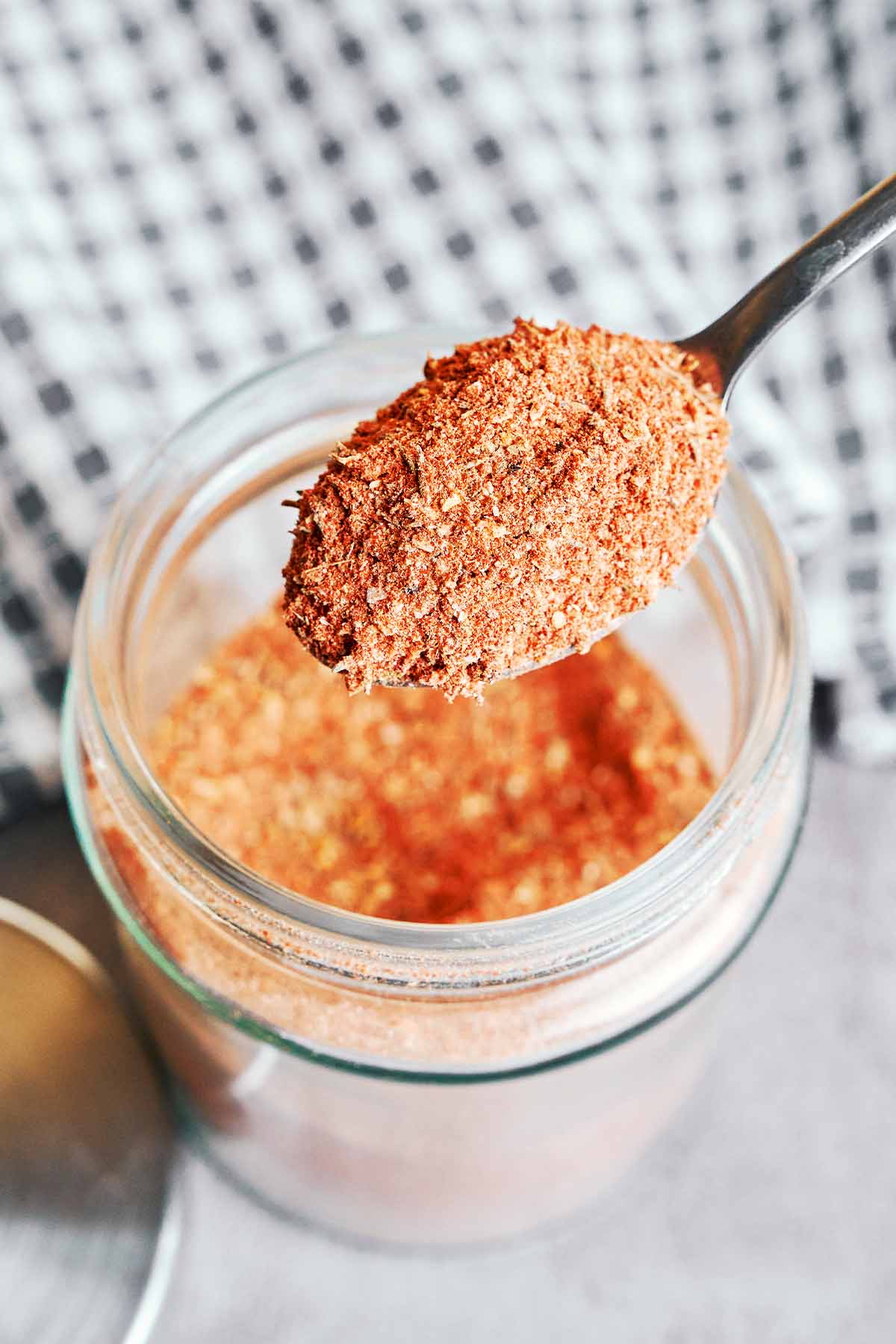
I keep this blend balanced so I can use it almost anywhere. It works as a dry rub for grilled chicken, a quick seasoning for roasted vegetables, or a flavor booster for beans and weeknight dinners when I want something simple to taste a little deeper and more homemade.
What Is Cajun Seasoning?
Cajun seasoning is a bold spice blend inspired by Cajun-style cooking, usually made with paprika, garlic powder, onion powder, dried herbs, black pepper, and cayenne pepper. It has a smoky, savory, slightly spicy flavor that can make simple ingredients taste much more rich and flavorful.
This homemade Cajun seasoning works in everyday cooking because it can be used as a dry rub, a seafood seasoning, or a quick flavor booster for creamy sauces. I love using it for simple chicken recipes, roasted vegetables, potatoes, rice, pasta, and quick dinner recipes when I want bold flavor without extra effort.
Why This Recipe Works
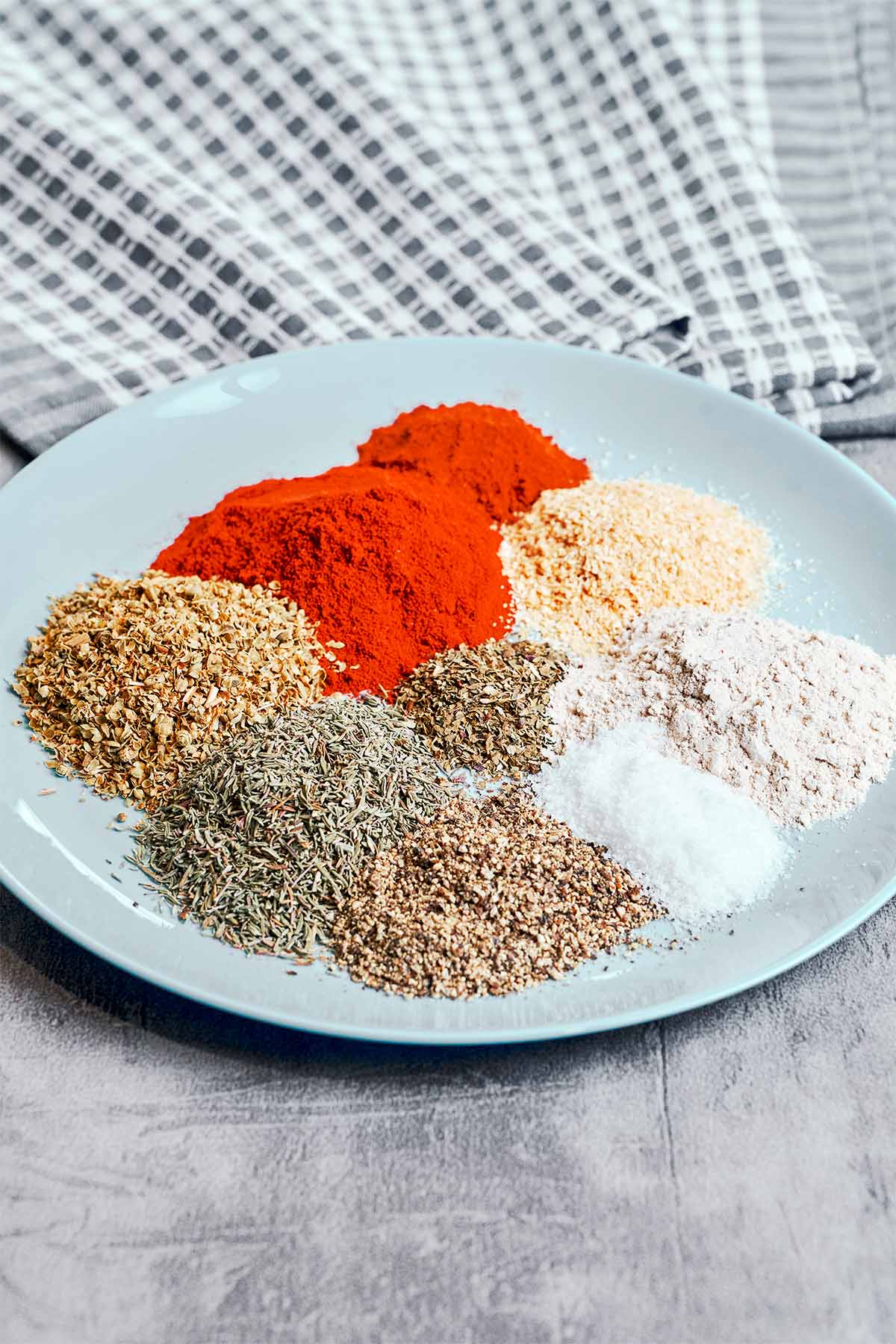
This homemade Cajun spice blend is balanced, not flat or one-note. Smoked paprika gives it color and a subtle smoky base, garlic powder and onion powder build savory flavor, oregano and thyme add an earthy herb note, and black pepper with cayenne gives the blend its warm Cajun-style bite.
I especially love this recipe because it gives you the flavor of a store-bought Cajun seasoning mix, but with more control. You can keep the salt low, make the heat gentle, or add a little more cayenne when you want a stronger dry rub for chicken, shrimp, potatoes, or blackened-style dishes.
Quick Look at the Ingredients
This Cajun seasoning is made with simple pantry spices, but each one brings something important to the blend. The mix is smoky, savory, herby, and gently spicy, so it works well in everything from chicken and shrimp to potatoes, pasta, rice, and creamy sauces.
- Smoked paprika. Gives the seasoning its deep color and smoky flavor.
- Garlic powder. Adds savory depth and makes the blend taste fuller.
- Onion powder. Balances the garlic and adds a mild sweetness.
- Dried oregano. Brings an earthy, herb-forward Cajun-style flavor.
- Dried thyme. Adds warmth and a classic Southern herb note.
- Black pepper. Gives the seasoning a bold, peppery bite.
- Cayenne pepper. Adds gentle heat without making the blend too spicy.
- White pepper. Optional, but it adds a sharper pepper flavor and more depth.
- Dried basil. Optional, but it softens the blend with a light herbal note.
- Salt. Optional. I like keeping the salt low so the seasoning can be used in more recipes.
Note: Be sure to scroll down to the recipe card for the full ingredient list and exact measurements.
How to Make Homemade Cajun Seasoning
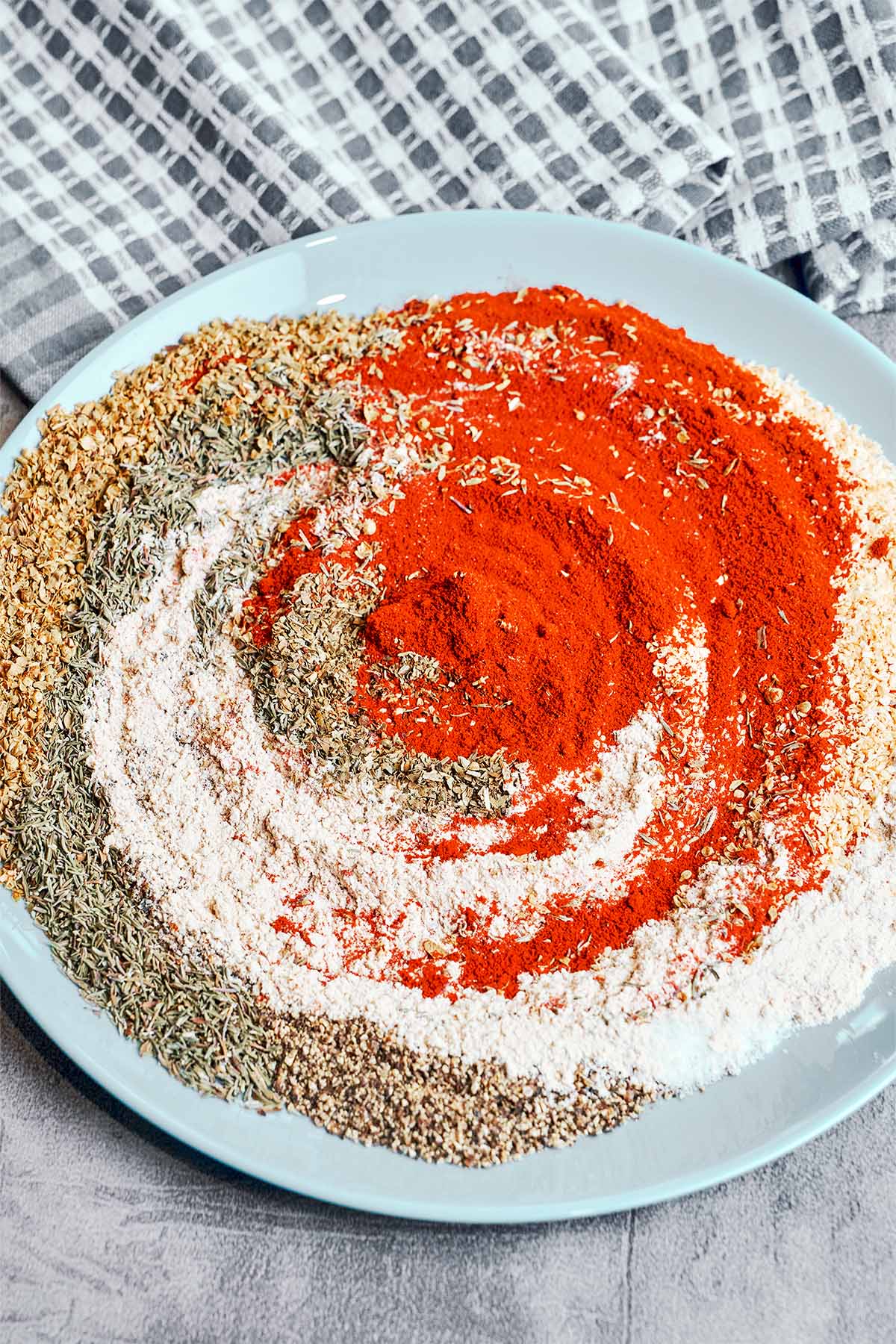
To make this Cajun seasoning recipe, add the smoked paprika, garlic powder, onion powder, dried oregano, dried thyme, black pepper, cayenne pepper, and any optional white pepper, dried basil, or salt to a small bowl.
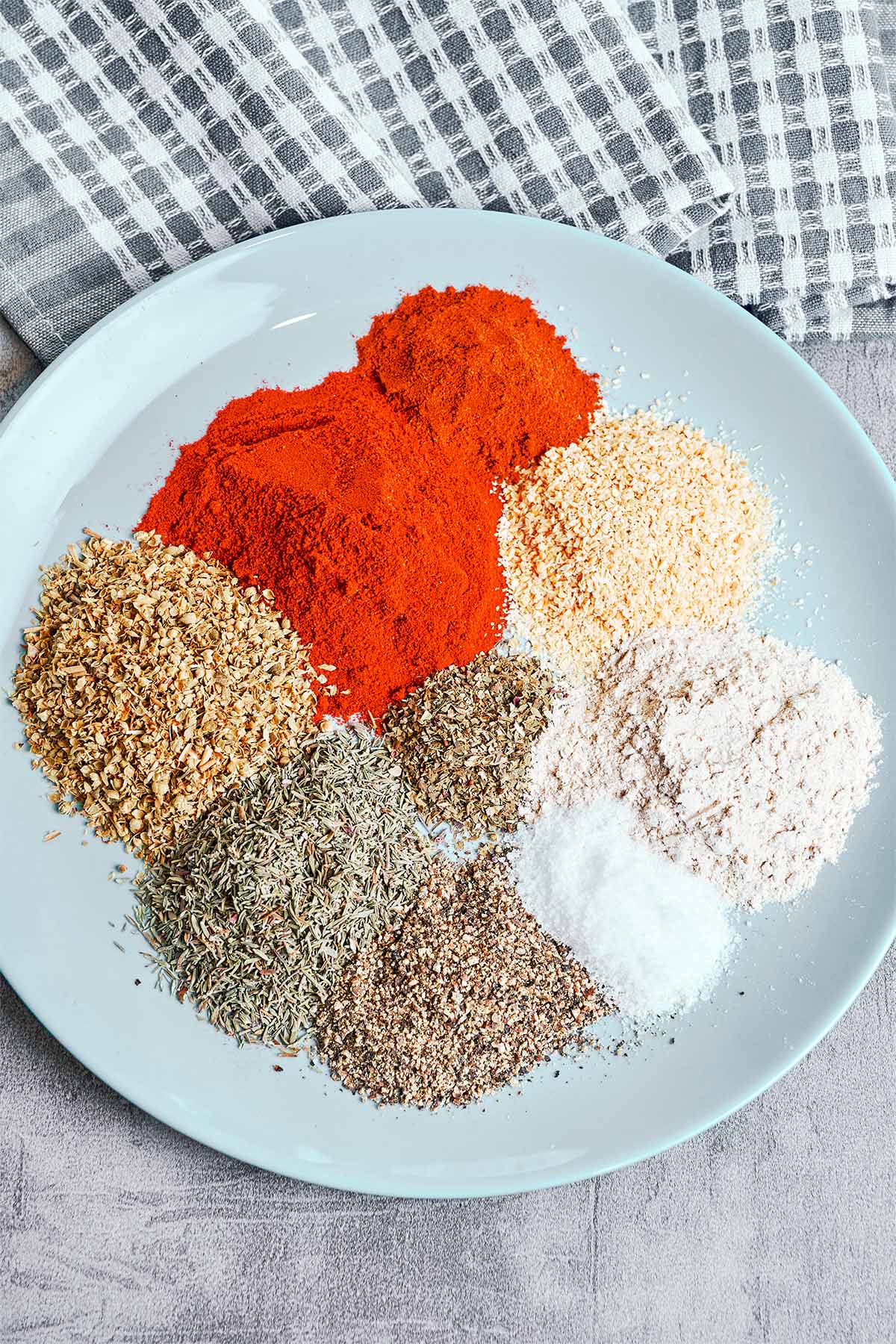
Stir until the spices look evenly blended and there are no streaks of paprika or clumps of garlic powder. If the oregano or thyme feels coarse, lightly crush the herbs before mixing so the seasoning blends more smoothly.
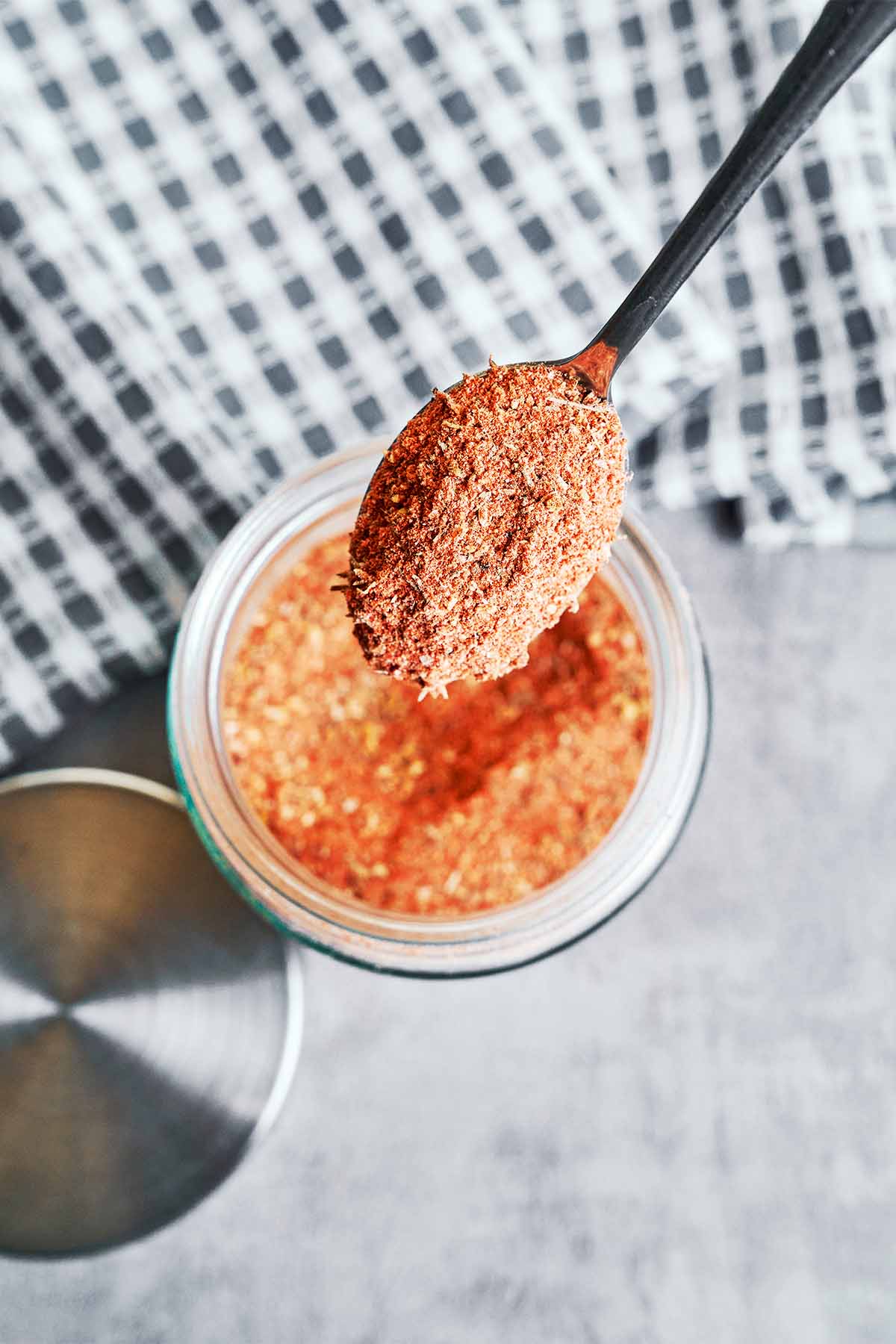
Spoon the Cajun seasoning into a clean, dry spice jar or airtight container. Keep it away from heat, steam, and direct light so the paprika and dried herbs stay fresh longer.
Tips for the Best Cajun Seasoning
- Use fresh spices. Paprika, garlic powder, onion powder, and dried herbs lose flavor over time, so fresh spices will make the blend taste much better.
- Choose smoked paprika for deeper flavor. Regular paprika works, but smoked paprika gives this seasoning that warm, bold, slightly smoky taste.
- Keep the salt low or leave it out. I like keeping this blend lower in salt so it works in more recipes. You can always add salt directly to the dish later.
- Adjust the cayenne to your taste. One teaspoon keeps the seasoning gently spicy. Add more cayenne if you want a hotter Cajun seasoning.
- Break up any clumps before storing. Garlic powder, onion powder, and paprika can clump together, so mix well before adding the seasoning to a jar.
- Shake the jar before each use. The smaller spices can settle at the bottom, so a quick shake helps the blend stay evenly mixed.
How to Use Cajun Seasoning
This homemade Cajun seasoning is easy to use in everyday cooking because it works with both dry rubs and creamy sauces. Start with a small amount, then add more to taste, especially if your dish already has salt, broth, cheese, or sausage.
- Chicken. Use about 1 tablespoon Cajun seasoning for 1 pound of chicken. It works well on chicken breasts, thighs, drumsticks, and chicken cutlets.
- Shrimp. Use 1 to 2 teaspoons for 1 pound of shrimp. Shrimp cooks quickly, so a little seasoning goes a long way.
- Potatoes. Toss 1 1/2 to 2 pounds of potatoes with 1 tablespoon Cajun seasoning, oil, and salt to taste before roasting.
- Pasta and rice. Stir 1 to 2 teaspoons into pasta, rice, or creamy sauces, then adjust after tasting.
- Vegetables. Sprinkle over roasted vegetables before baking, or add a little to sautéed vegetables for extra smoky flavor.
- Soups and beans. Add 1 to 2 teaspoons to soups, stews, beans, or one-pot meals for a warm, savory Cajun-style flavor.
How to Store Cajun Seasoning
Store homemade Cajun seasoning in a clean, dry spice jar or airtight container. Keep it in a cool, dark place, like a pantry cabinet or spice drawer, away from heat, steam, and direct sunlight.
For the best flavor, use it within 3 to 6 months. The seasoning will usually last longer, but paprika, garlic powder, onion powder, and dried herbs slowly lose their bold flavor over time.
Frequently Asked Questions
Can I use Cajun seasoning as a dry rub?
Yes, Cajun seasoning works very well as a dry rub for chicken, shrimp, fish, pork, potatoes, and vegetables. Rub it on with a little oil before grilling, roasting, baking, or pan-searing.
Is Cajun seasoning spicy?
Cajun seasoning is usually a little spicy, but it does not have to be very hot. This homemade version uses 1 teaspoon of cayenne pepper, so it has gentle heat without overpowering the food.
Can I make Cajun seasoning without salt?
Yes, you can leave the salt out completely. I like making it with little or no salt because it gives you more control when seasoning chicken, shrimp, pasta, rice, soups, and creamy sauces.
What is the difference between Cajun seasoning and Creole seasoning?
Cajun seasoning is usually bolder, more peppery, and a little more rustic. Creole seasoning often has a more herb-forward flavor. They are similar and can sometimes be used in the same dishes, but Cajun seasoning usually brings a stronger smoky and spicy kick.
How much Cajun seasoning should I use for chicken?
A good starting point is about 1 tablespoon of Cajun seasoning for 1 pound of chicken. If your seasoning has salt added, start with a little less, then adjust to taste.
Once you make this homemade Cajun seasoning, it is one of those pantry staples you will reach for again and again. It is smoky, savory, gently spicy, and simple enough to use in everyday meals, from chicken and shrimp to potatoes, rice, pasta, soups, beans, and creamy Cajun dinners.
If you try this recipe, leave a rating and comment below. I would love to know how you used it in your kitchen.
Homemade Cajun Seasoning
Ingredients
- 2 tablespoons smoked paprika
- 1 tablespoon garlic powder
- 1 tablespoon onion powder
- 1 tablespoon dried oregano
- 1 tablespoon dried thyme
- 2 teaspoons black pepper
- 1 teaspoon cayenne pepper
- 1 teaspoon white pepper optional
- 1 teaspoon dried basil optional
- 1 teaspoon salt optional
Instructions
- Add the smoked paprika, garlic powder, onion powder, dried oregano, dried thyme, black pepper, cayenne pepper, white pepper, dried basil, and salt to a small bowl.
- Mix very well until the spices are evenly blended and there are no clumps of paprika, garlic powder, or onion powder.
- Taste and adjust if needed. Add a little more cayenne for extra heat, or leave the salt out if you prefer to control the salt in each recipe.
- Transfer the Cajun seasoning to a clean, dry spice jar or airtight container.
- Store in a cool, dry place away from heat and direct light. Shake the jar before each use.
Notes
- For a mild Cajun seasoning, keep the cayenne pepper at 1 teaspoon.
- For a hotter blend, add an extra 1/2 to 1 teaspoon cayenne pepper.
- For a salt-free Cajun seasoning, leave the salt out completely and add salt separately when cooking.
- Use about 1 tablespoon Cajun seasoning for 1 pound of chicken.
- Use 1 to 2 teaspoons for 1 pound of shrimp, or 1 to 2 teaspoons in pasta, rice, soups, beans, and creamy sauces.
- For the best flavor, use within 3 to 6 months.