
Classic Beef Stew
This classic beef stew recipe is the kind of cozy homemade dinner that fills the kitchen with a deep, savory aroma. Chunks of beef slowly simmer in red wine, beef broth, vegetables, and herbs until the meat turns fork-tender and the sauce becomes rich, thick, and full of flavor.
For more dinners like this, browse my stew recipes, from rich red wine stews to creamy, slow-simmered favorites.
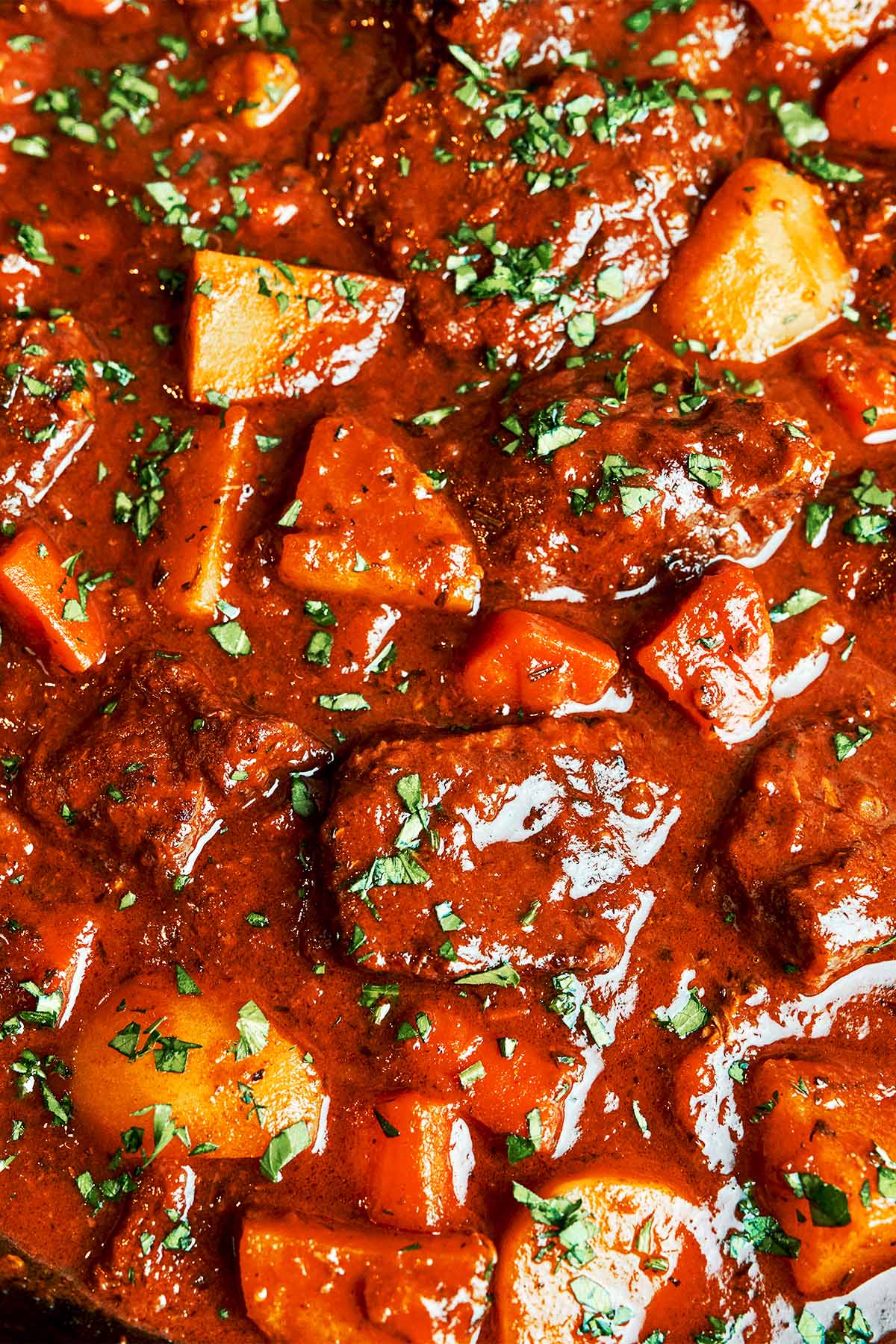
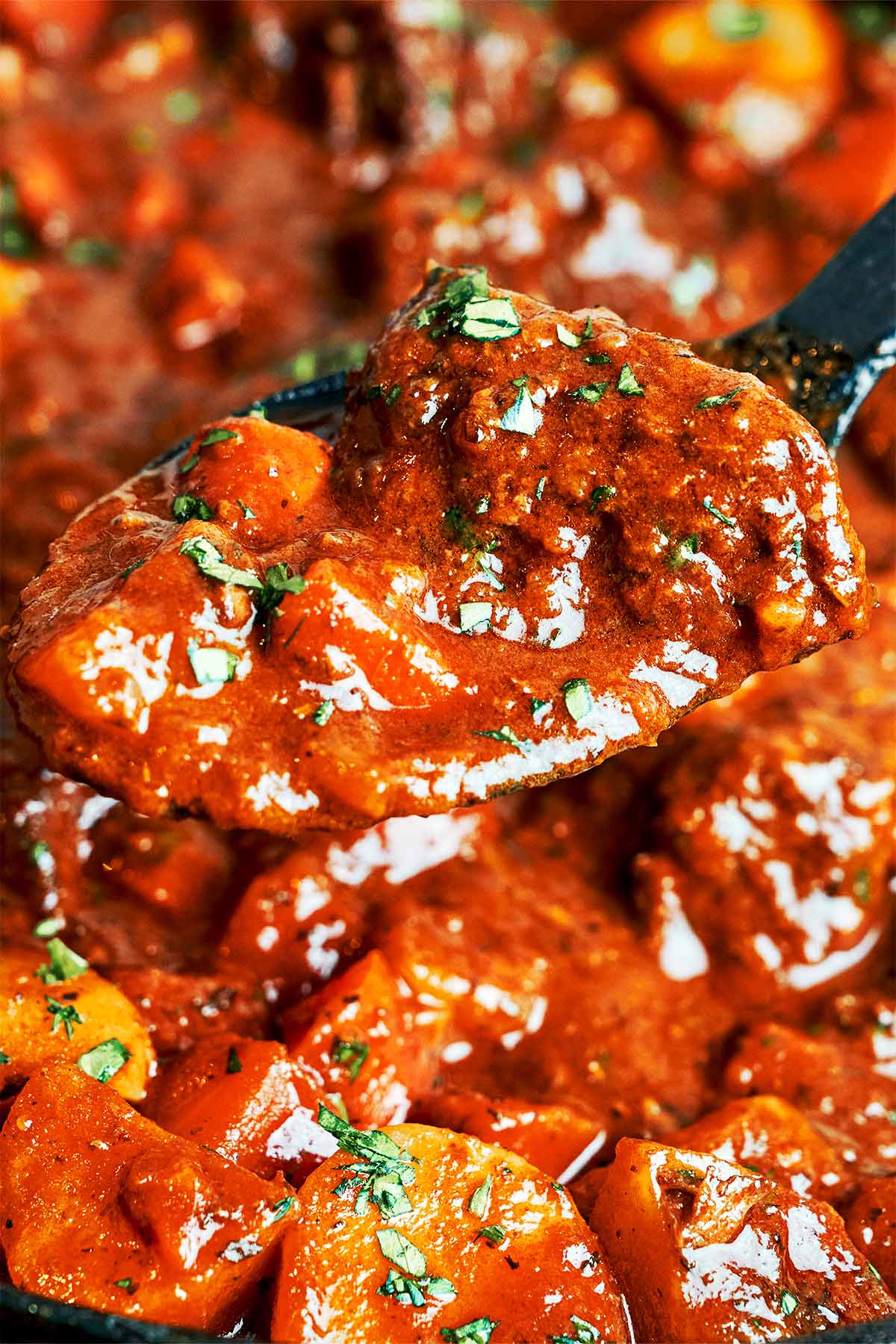
The long simmer is what gives this beef stew with potatoes and carrots its best texture. The beef becomes tender, the vegetables soak up the gravy, and the sauce turns glossy and savory. Serve it with crusty bread, rice, or a simple salad for a hearty comfort food dinner.
For more cozy beef dinners, try my Creamy Beef Blanquette when you want something soft and creamy, this Easy Tender Garlic Butter Beef for a quicker savory meal, or my Hearty Beef Soup with Walnuts for another warm and comforting beef recipe.
Why This Beef Stew Works
This beef stew gets its deep flavor from building the recipe in layers. The beef is lightly coated with flour and spices, then seared until browned, so the gravy starts with a richer base before the broth and wine are added.
I especially love this recipe because it feels rich and comforting without being too heavy. The vegetables cook in the same pot, the red wine lifts all the browned bits from the bottom, and the potatoes are added later so they stay tender without falling apart.
Quick Look at the Ingredients
This homemade beef stew uses simple ingredients, but each one helps build tender beef, soft vegetables, and a rich homemade gravy with deep slow-cooked flavor.
If you enjoy cozy beef dinners like this, you can also browse my Beef Recipes collection for more hearty meal ideas.
- Beef chuck roast. This is one of the best cuts for a tender beef stew because it becomes flavorful and fork-tender when it cooks low and slow.
- All-purpose flour, salt, pepper, and paprika. The beef is tossed with a small amount of flour and seasoning before searing. This helps the meat brown better and gives the gravy a little body without making it heavy.
- Onion, celery, carrots, and garlic. These simple vegetables add sweetness, depth, and a savory base to the stew.
- Tomato paste. Adds depth and helps make the sauce richer.
- Red wine. Gives the stew a deep, slow-cooked flavor. You can replace it with unsweetened pomegranate juice if you prefer not to cook with wine.
- Beef broth. This is the main base of the gravy, so use a good-quality broth if possible.
- Worcestershire sauce. Adds a savory, slightly tangy flavor that makes the stew taste fuller.
- Thyme, Italian seasoning, and bay leaves. Thyme gives the stew that classic beef stew flavor, while Italian seasoning adds extra herbal depth. Bay leaves bring a warm, slow-cooked aroma as everything simmers.
- Potatoes. Added later so they become tender without falling apart.
For the best texture, cut the beef into larger chunks and keep the potatoes and carrots about the same size so this beef stew with potatoes and carrots cooks evenly.
How to Make Classic Beef Stew
This classic beef stew recipe is made in a few simple stages: season and sear the beef, build flavor with the vegetables, deglaze the pot, then let everything simmer slowly until the meat is tender and the gravy turns thick and savory.
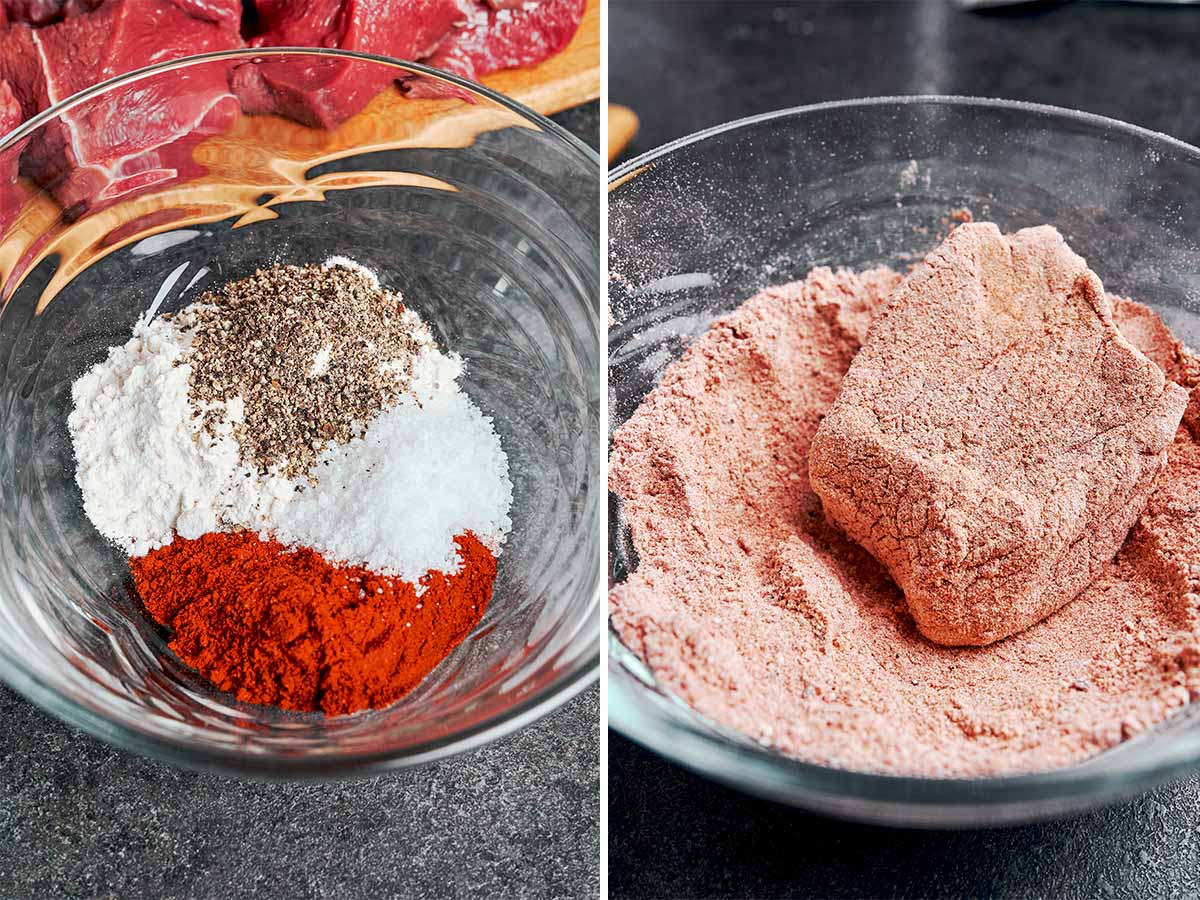
Season the beef. Pat the beef dry with paper towels. In a large bowl, mix 1 tablespoon flour, 1 teaspoon salt, black pepper, and paprika. Add the beef and toss until it is lightly coated.
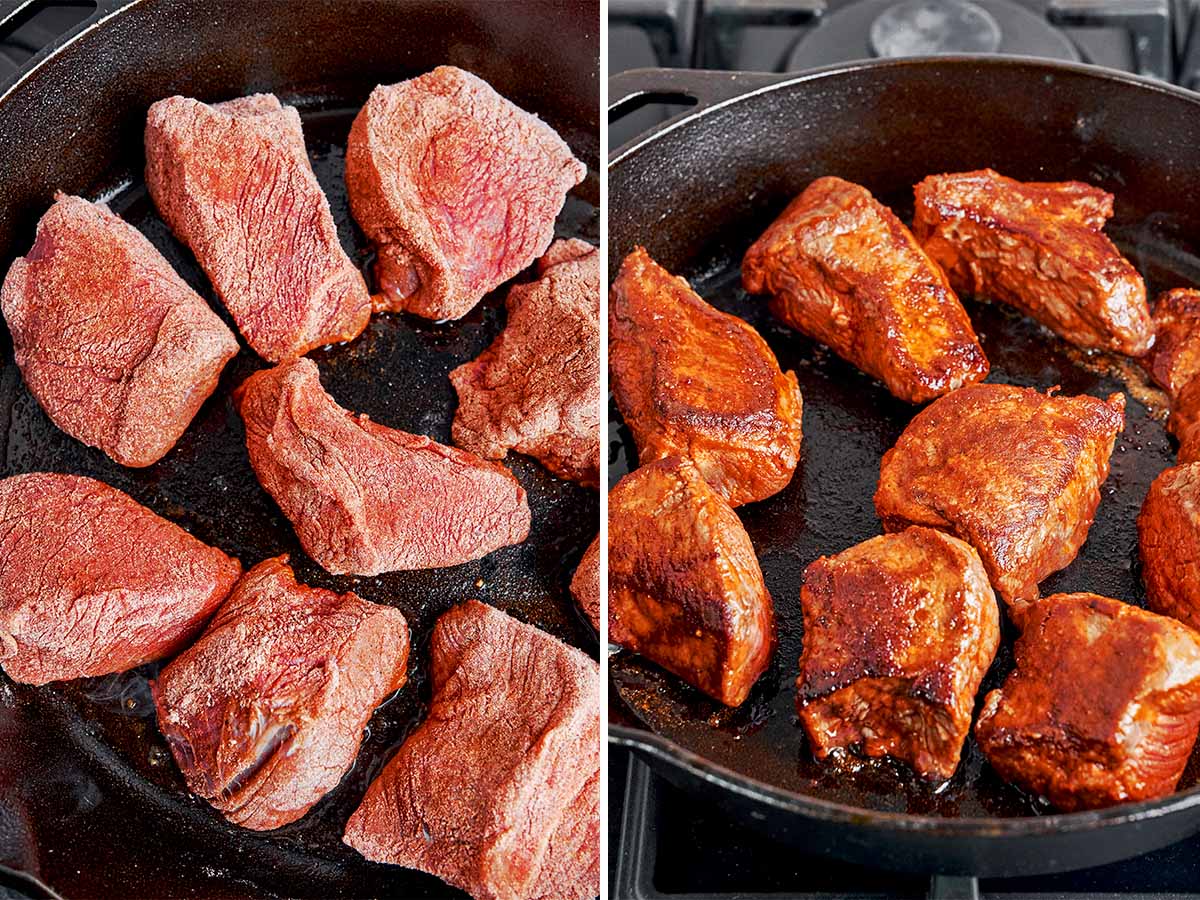
Sear the beef. Heat olive oil in a large heavy pot over medium-high heat. Sear the beef in batches until browned on all sides, about 3 to 4 minutes per side. Transfer the browned beef to a plate.
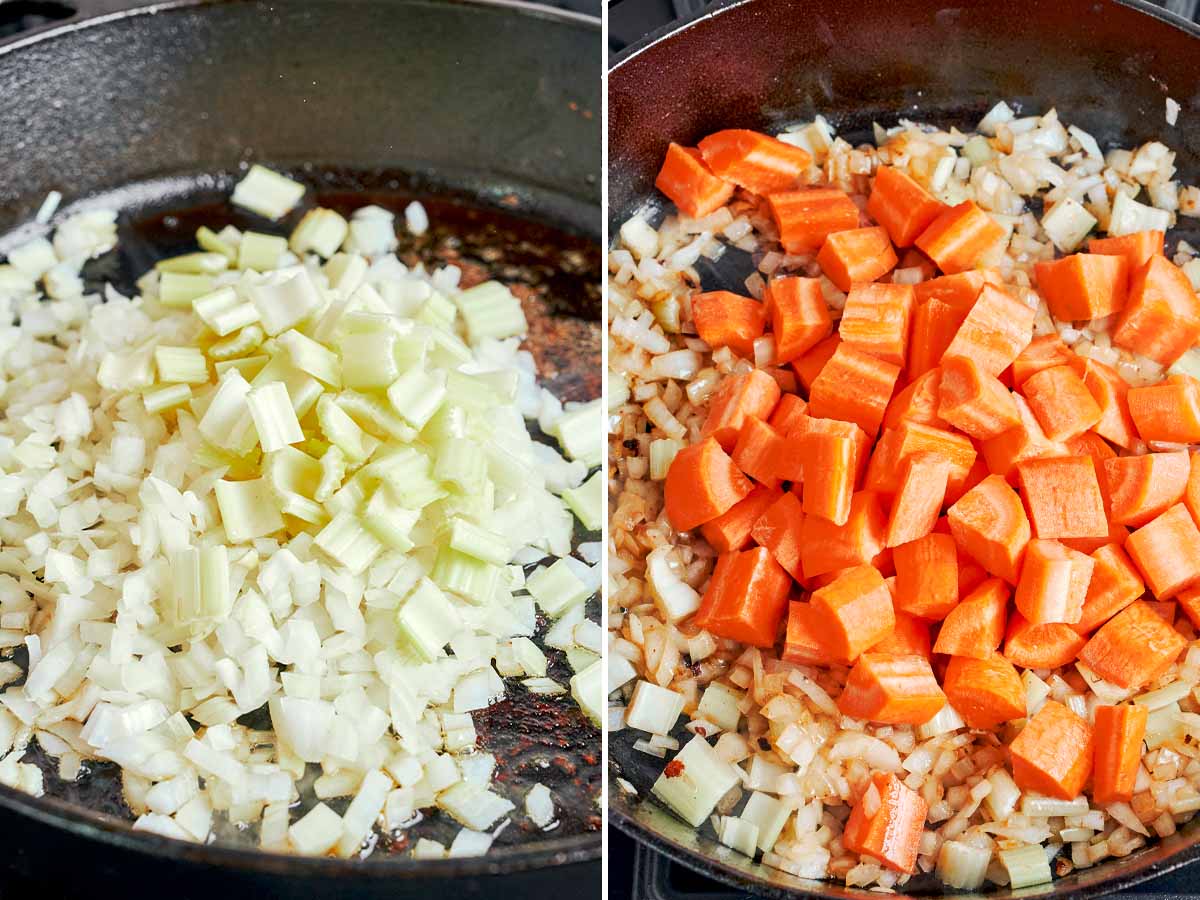
Cook the onion and celery. Reduce the heat to medium. Add the onion and celery to the same pot. Cook for about 6 minutes, stirring often and scraping up the browned bits from the bottom, until they begin to soften and build flavor.
Add the carrots. Stir in the carrots and cook for 3 to 4 minutes, until they begin to soften slightly and pick up flavor from the pot.
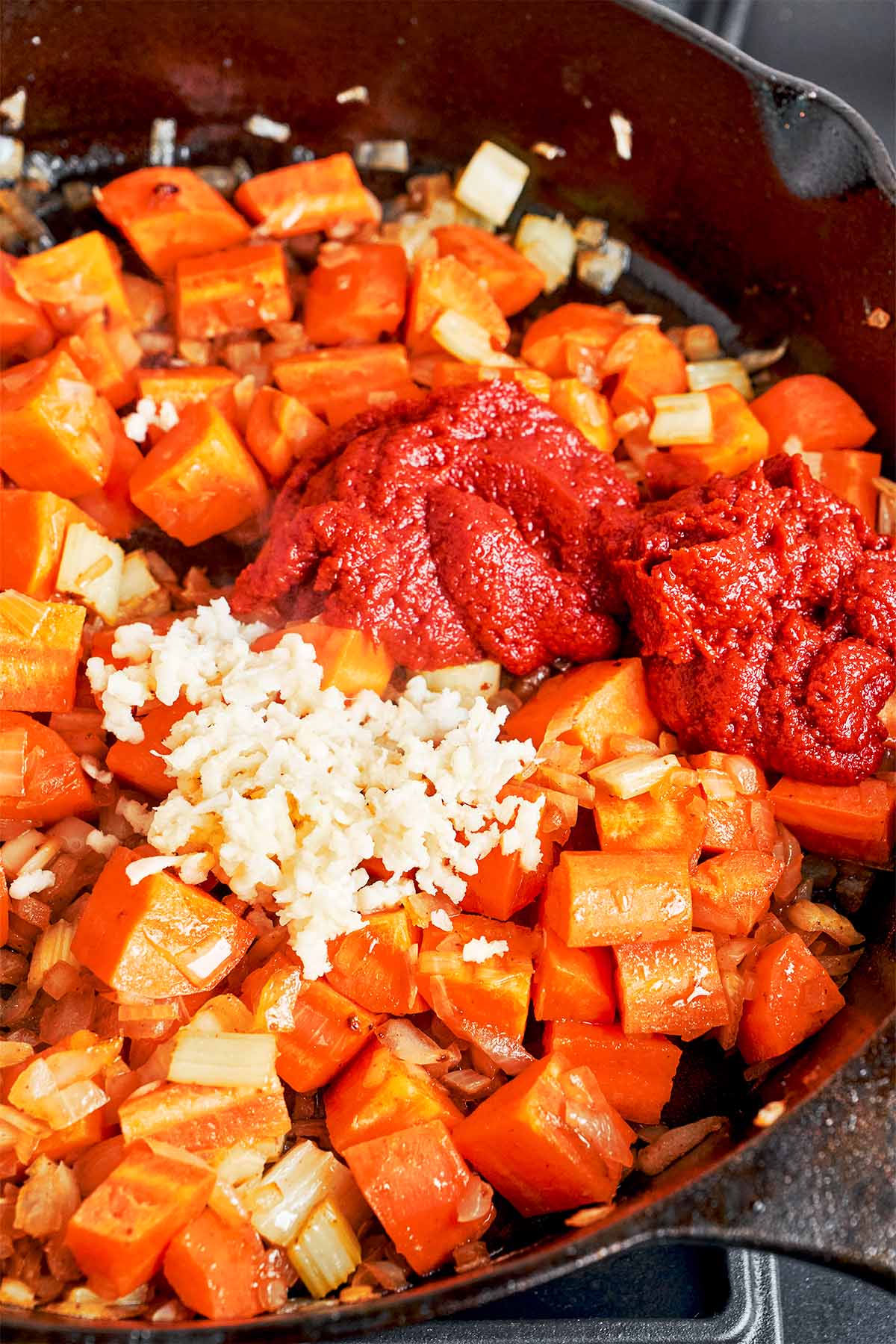
Add garlic and tomato paste. Stir in the garlic and tomato paste. Cook for 1 minute, until the tomato paste darkens slightly and smells rich.
Deglaze the pot. Pour in the red wine. Scrape the bottom of the pot well to release all the browned bits. Let it simmer for 2 to 3 minutes.
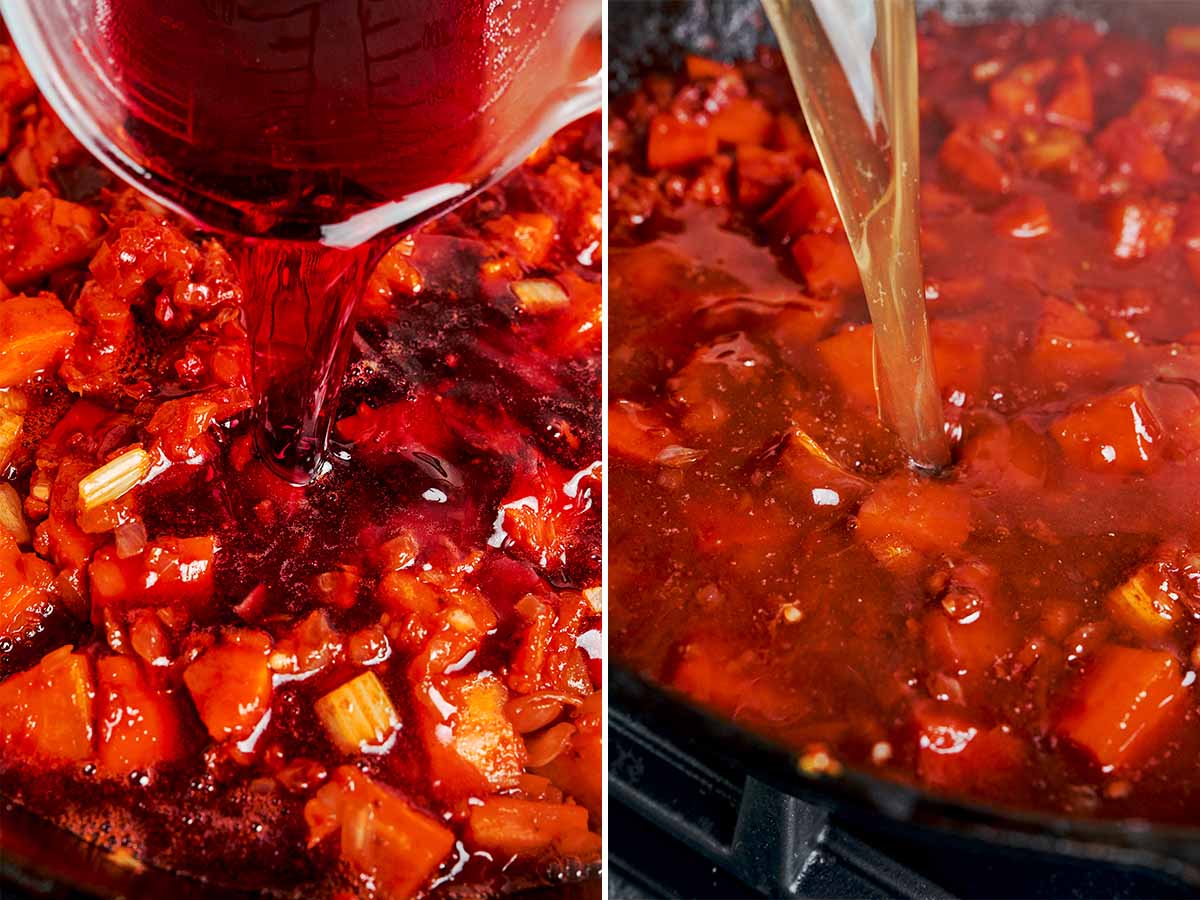
Simmer the beef. Add the beef broth, Worcestershire sauce, dried thyme, Italian seasoning, bay leaves, and the browned beef with any juices from the plate. Bring to a gentle boil, then reduce the heat to low. Cover and simmer gently for 1 hour 45 minutes.
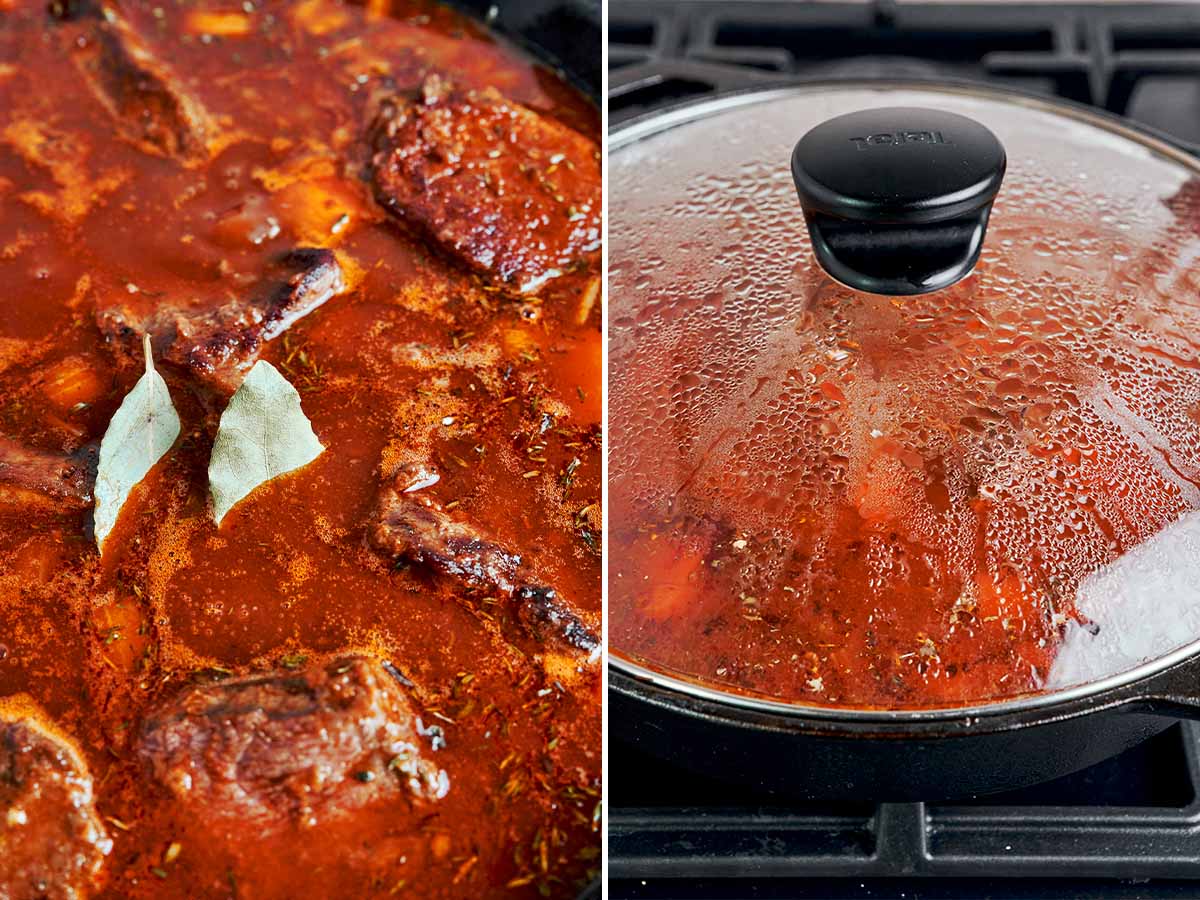
Add the potatoes. Add the potatoes and 1/3 teaspoon salt. Cover again and simmer gently for 1 hour, or until the beef is fork-tender and the potatoes are soft but not falling apart.
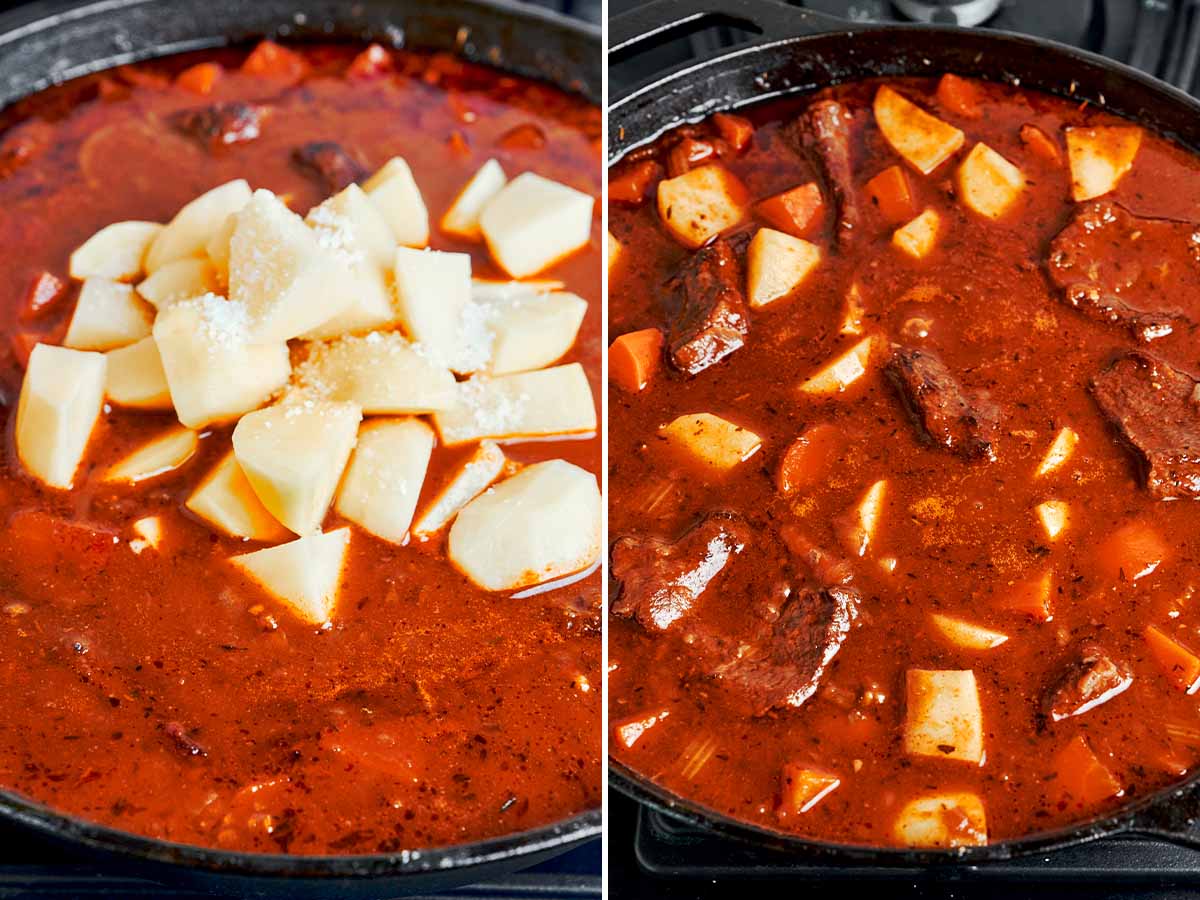
Finish the stew. Remove the bay leaves. Taste and adjust the seasoning if needed. Stir in a little butter for a richer, glossy gravy, then sprinkle with fresh parsley before serving.
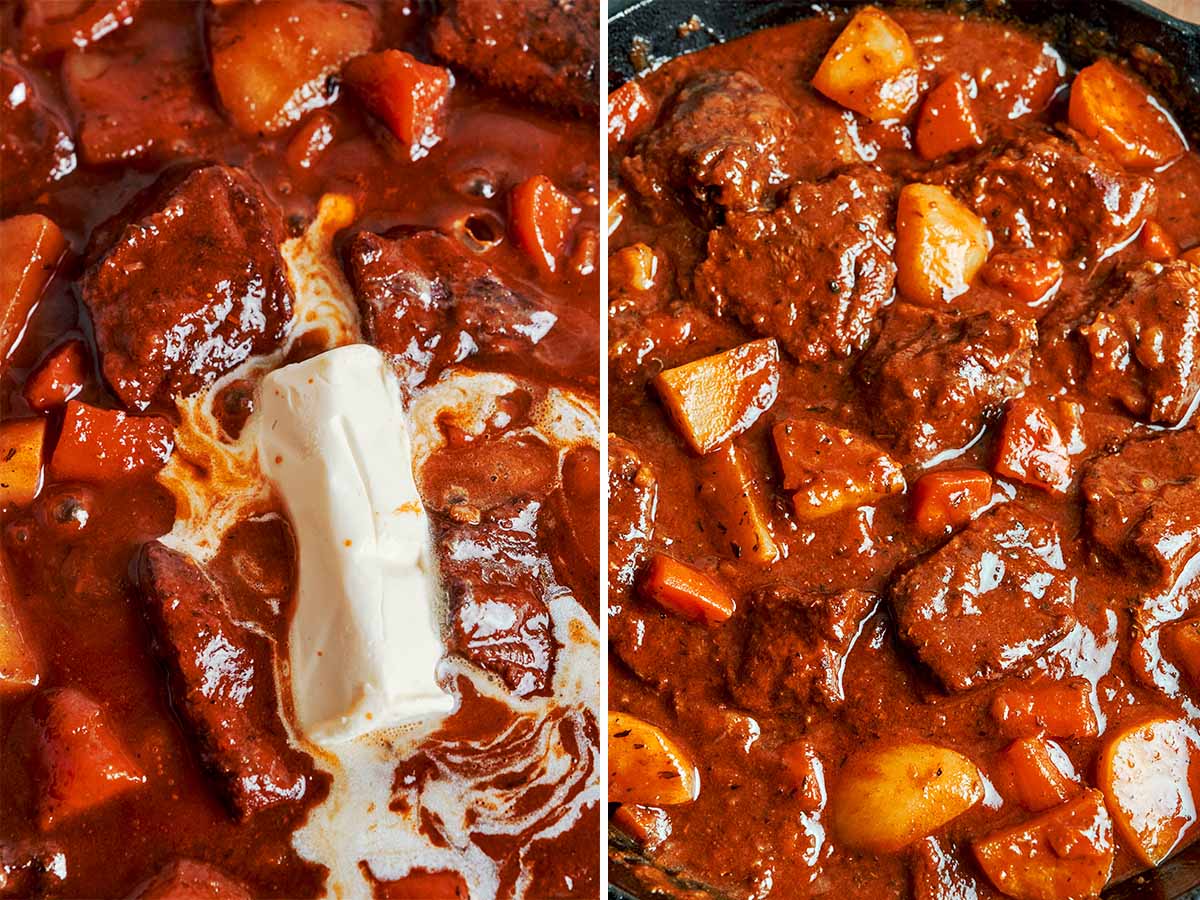
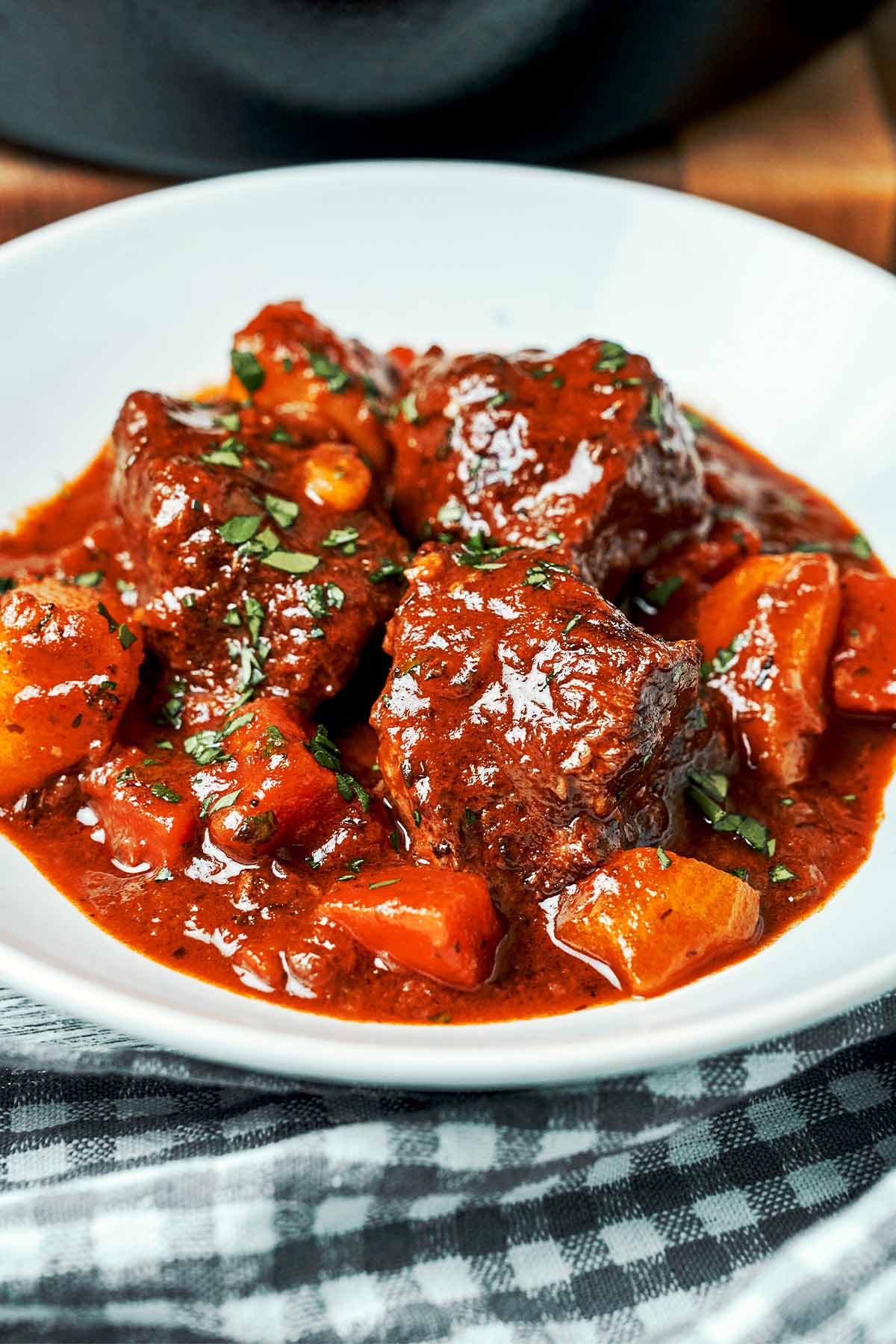
By the end of cooking, the beef should be fork-tender, the potatoes and carrots should be soft, and the gravy should be thick enough to coat every piece. This is what gives the stew that hearty, homemade comfort food texture.
Recipe Tips & Notes
- This beef stew tastes even better the next day. The gravy thickens as it rests, and the flavors become deeper after a night in the refrigerator.
- Sear the beef in batches. Give the meat space in the pot so it browns instead of steaming. This is one of the easiest ways to build a richer stew.
- Use a gentle simmer. Keep the heat low after the stew comes to a boil. Slow cooking helps the beef become fork-tender without drying out.
- Do not add the potatoes too early. Adding them later keeps them soft and tender without falling apart in the gravy.
- Do not skip the light flour coating. Even a small amount of flour helps the beef brown better and gives the gravy a smoother, richer texture without making the stew heavy.
For more cozy meals like this, you can also browse my Dinner Recipes collection for simple, hearty ideas to make throughout the week.
What to Serve with Classic Beef Stew
This hearty beef stew is filling on its own, but a simple side makes it feel even more comforting. The rich homemade gravy works especially well with bread, potatoes, rice, or something fresh on the side.
- Homemade bread. Perfect for soaking up the thick beef gravy.
- Mashed potatoes. A cozy option if you want an extra filling dinner.
- Stovetop rice. Simple fluffy rice works well with the savory sauce.
- Egg noodles. A classic comfort food side that makes the stew feel even heartier.
- Simple green salad. A fresh salad helps balance the rich stew.
- Roasted vegetables. Green beans, mushrooms, or Brussels sprouts are all good options.
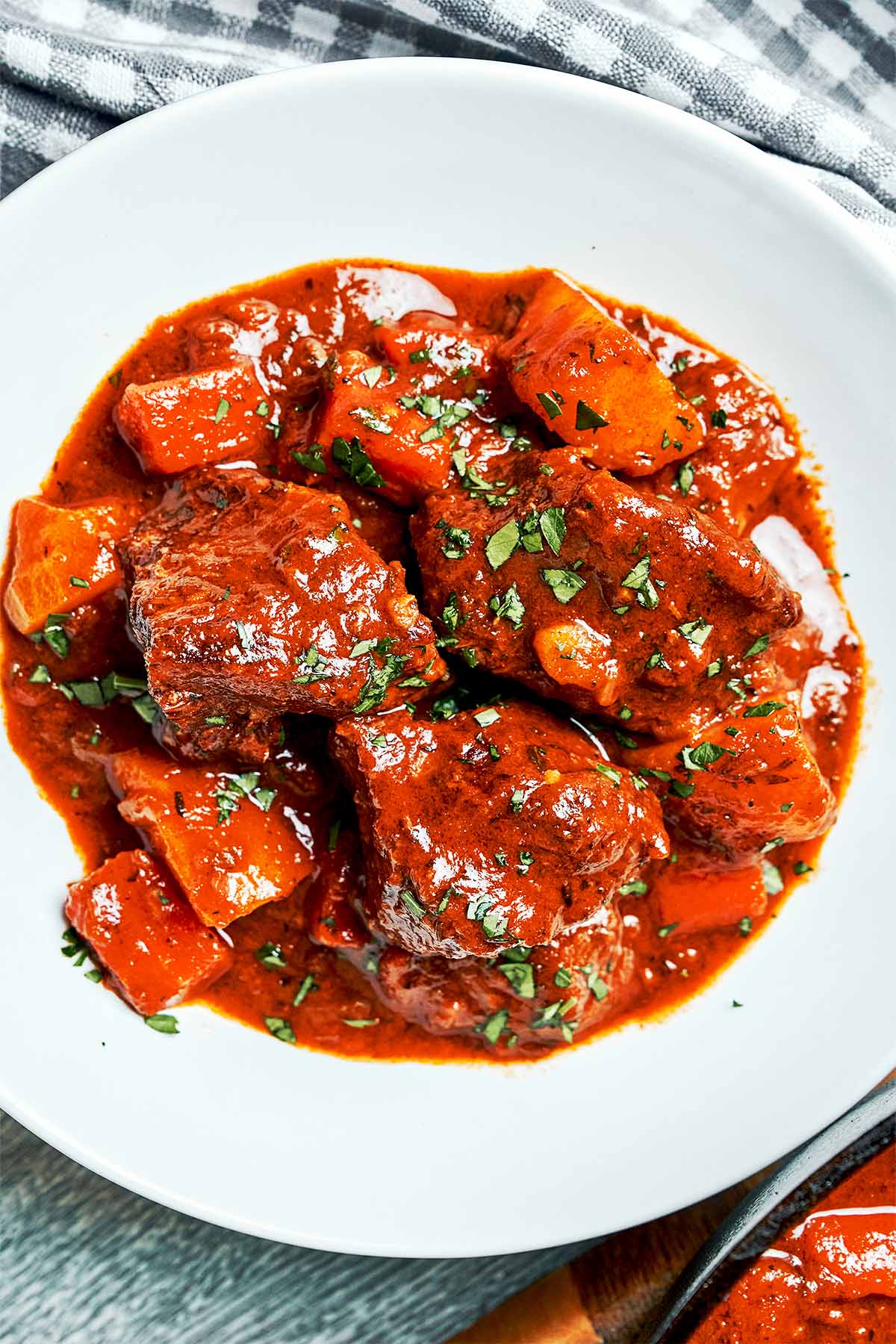
For a simple family dinner, I usually serve this beef stew with crusty bread or rice so nothing goes to waste from that rich, savory gravy.
Love cooking with potatoes? Browse our full collection of Potato Recipes for everything from crispy side dishes and creamy soups to hearty family dinners.
Variations and Substitutions
This beef stew recipe is easy to adjust with simple ingredients, so you can keep the same cozy flavor while using what you already have in the kitchen.
- No wine version. Replace the red wine with extra beef broth and add 1 teaspoon balsamic vinegar for more depth.
- Extra rich version. Add 8 oz sliced mushrooms after the onion and celery. Cook them for a few minutes before adding the carrots, garlic, and tomato paste.
- Thicker gravy. Mash a few potato pieces into the stew at the end, or simmer uncovered for 10 to 15 minutes until the gravy thickens.
- Add peas at the end. Stir in frozen peas during the last 5 minutes of cooking for a little color and sweetness.
- Make it lighter. Skip the butter at the end if you want a lighter finish. The stew will still have a rich, savory gravy.
Storage and Leftovers
This homemade beef stew stores very well and tastes even better the next day as the gravy thickens and the flavors deepen.
- Refrigerator. Let the stew cool completely, then store it in an airtight container in the refrigerator for up to 4 days.
- Freezer. Freeze the stew in freezer-safe containers for up to 3 months. The potatoes may soften slightly after thawing, but the flavor will still be delicious.
- Reheating. Reheat gently on the stove over low heat until warmed through. Add a splash of beef broth or water if the gravy becomes too thick.
- Make ahead. This beef stew is a great make-ahead dinner because the flavor gets richer after resting overnight.
For the best texture, reheat the stew slowly and stir gently so the potatoes stay tender without breaking apart too much.
Frequently Asked Questions
What is the best beef for a tender beef stew?
Beef chuck roast is one of the best cuts for a tender beef stew because it becomes flavorful and fork-tender during slow cooking. Cut it into larger chunks so the beef stays juicy as it simmers.
Why is my beef stew meat tough?
If the beef is tough, it usually needs more time. Keep the stew at a gentle simmer and continue cooking until the beef is fork-tender. Avoid hard boiling, because it can make the meat tighten up instead of becoming tender.
Can I make beef stew without red wine?
Yes. You can replace the red wine with pomegranate juice for a rich, slightly tangy flavor, or use extra beef broth with a small splash of balsamic vinegar. For a version made without wine from the start, try my Beef Stew with Vegetables, with a rich tomato sauce and fresh garlic and parsley added at the end.
How do I make beef stew gravy thicker?
Simmer the stew uncovered for 10 to 15 minutes at the end, or mash a few potato pieces into the gravy. The small amount of flour on the beef also helps give the sauce a little body.
When should I add potatoes to beef stew?
Add the potatoes later in the cooking time so they become tender without falling apart. In this recipe, they simmer during the last hour with a little extra salt.
Can I add other vegetables to beef stew?
Yes. Mushrooms, peas, green beans, or parsnips all work well in beef stew. Add mushrooms earlier so they can cook down, and add peas or green beans near the end so they keep their color and texture.
How long should beef stew simmer?
Beef stew should simmer until the meat is fork-tender. For this recipe, the beef simmers first for 1 hour 45 minutes, then the potatoes are added and everything cooks for 1 more hour.
This classic beef stew is rich, cozy, and full of slow-cooked flavor. The tender beef, soft potatoes, carrots, and thick gravy make it a comforting dinner you’ll want to come back to. If you try it, leave a rating and comment below to let me know how it turned out.
Classic Beef Stew

Ingredients
For the Beef:
- 2 lb (900g) beef chuck roast cut into 1 1/2-inch pieces
- 1 tablespoon all-purpose flour
- 1 teaspoon salt
- 1 teaspoon black pepper
- 1 teaspoon sweet paprika
- 3 tablespoons olive oil divided
For the Stew:
- 1 large yellow onion chopped
- 2 celery stalks chopped
- 2 large carrots cut into chunks
- 4 garlic cloves minced
- 3 tablespoons tomato paste
- 1 cup dry red wine or unsweetened pomegranate juice
- 3 cups beef broth
- 1 tablespoon Worcestershire sauce
- 1 teaspoon dried thyme
- 1 teaspoon Italian seasoning
- 2 bay leaves
- 4 (1 lb) medium yellow potatoes cut into chunks
- 1/3 teaspoon salt
- 1 tablespoon butter optional
- Fresh parsley for serving
Instructions
- Pat the beef dry with paper towels. In a large bowl, mix the flour, 1 teaspoon salt, black pepper, and paprika. Add the beef and toss until it is lightly coated.
- Heat 3 tablespoon olive oil in a large heavy pot over medium-high heat. Sear the beef in batches until browned on all sides, about 3 to 4 minutes per side. Add more olive oil as needed between batches. Transfer the browned beef to a plate.
- Reduce the heat to medium. Add the onion and celery to the same pot. Cook for about 6 minutes, stirring often and scraping up the browned bits from the bottom, until they begin to soften and build flavor.
- Stir in the carrots and cook for 3 to 4 minutes, until they begin to soften slightly and pick up flavor from the pot.
- Add the garlic and tomato paste. Cook for 1 minute, stirring often, until the tomato paste darkens slightly and smells rich.
- Pour in the red wine and crape the bottom of the pot well to release all the browned bits. Let it simmer for 2 to 3 minutes.
- Add the beef broth, Worcestershire sauce, dried thyme, Italian seasoning, bay leaves, and the browned beef with any juices from the plate. Bring to a gentle boil, then reduce the heat to low. Cover and simmer gently for 1 hour 45 minutes.
- Add the potatoes and 1/3 teaspoon salt. Cover again and simmer gently for 1 hour, or until the beef is fork-tender and the potatoes are soft but not falling apart.
- Remove the bay leaves. Taste and adjust the seasoning if needed. Stir in the butter for a richer, glossy gravy, then sprinkle with fresh parsley before serving.
Notes
- For a non-alcoholic version, replace the red wine with unsweetened pomegranate juice.
- Sear the beef in batches so it browns properly instead of steaming.
- Keep the stew at a gentle simmer. Hard boiling can make the beef tougher.
- Add the potatoes later in the cooking time so they become tender without falling apart.
- This beef stew tastes even better the next day as the gravy thickens and the flavors deepen.